Mobley v. Workday and AI Discrimination
Written by: Maryflelona Wagner
Edited by: Kimberly Abbas
Abstract:
In the modern world, artificial intelligence, also known as AI, is growing at an unprecedented rate. AI refers to computer programs that can independently reason and make decisions in the absence of human supervision. The powerful tool, often praised for its speed and efficiency, is poised to infiltrate many areas of the workforce and even automate many occupations. However, little is known about AI’s social ramifications. For example, although AI is often advertised to be politically neutral, it has been documented in emerging academic literature that AI engages in racial discrimination. Furthermore, in the recent and ongoing court cases of Mobley v. Workday (2025) and Harper v. Sirius XM (2025), companies are being held liable for a rising issue of hiring discrimination in AI-powered hiring tools. Ultimately, this paper seeks to raise awareness about AI’s biases and advocates that a strong effort be made to ensure that AI tools are lawful and equitable before they are used to manage people in business contexts.
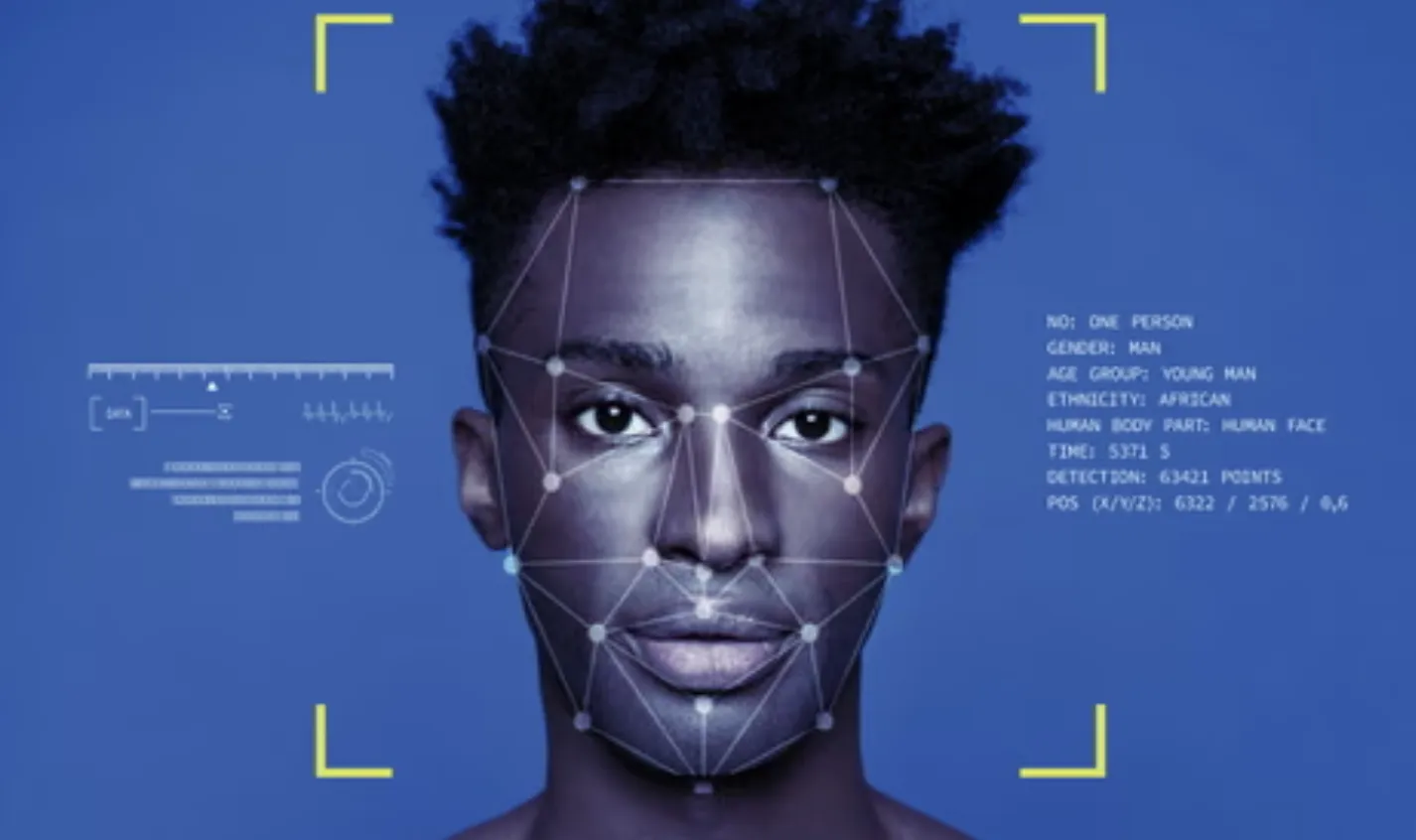
Artificial intelligence, also known as AI, is “technology that enables computers and machines to simulate human learning, comprehension, problem solving, decision making, creativity, and autonomy” [1]. In simpler terms, artificial intelligence acts as a human aid that can generate decisions and answers in various contexts. AI has the power to construct paragraphs, operate machinery, and even automate many white collar jobs. According to the UN Trade and Development Organization, 40% of jobs are projected to be affected by AI globally, with many roles facing the risk of automation [2]. Currently, AI has begun to augment the human resources industry, where it is often used to filter job applications for hiring committees. However, recent legal cases have exposed an undercurrent of racism in this emerging practice.
Workday, an AI-powered software company used by many corporations for human resources management, has recently been sued over allegations of hiring discrimination. On February 21st, 2023, plaintiff, Derek Mobley, filed a lawsuit against Workday Inc. on the grounds that their “algorithmic applicant screening tools…discriminated against him [and others similarly situated] based on race, disability, and age” [3]. Derek Mobley, an African American, disabled man over age forty, stated that he had applied for “more than one hundred” jobs using Workday’s platform, and was not hired for a single position [4].
At first glance, this complaint seems not to have any legal standing, but when numerous other claims substantiated with the same concerns were also heard, it becomes more apparent. Mobley, along with a collective of other victims, joined in the lawsuit, claiming that their job applications were denied within mere minutes of their submission, suggesting that they were automatically flagged and rejected by the software [5]. This collective lawsuit is establishing Mobley v. Workday as a landmark case, as it is one of the first of its kind to address the issue of AI discrimination. Furthermore, it is raising awareness for employers and the general public alike of AI’s discriminatory practices that will ultimately give them more of the tools needed to advocate for themselves.
Unfortunately, as of today, Mobley v. Workday (2025) has not yet been given a ruling, but it is important to note that it is not the only case addressing discriminatory hiring practices perpetuated by AI software. In the case of Sirius v XM Radio (2025), plaintiff Arshon Harper filed a lawsuit claiming that Sirius XM Radio discriminated against applicants by race, and thus violated Title VII of the Civil Rights Act [6]. Arshon Harper, another African American job applicant, argued that 149 of his job applications to Sirius XM Radio were rejected by the company’s AI hiring tool. Interestingly, Harper claims that his abilities met or “exceeded” the listed qualifications for the positions he was denied by [7]. Similar to Mobley v Workday, Harper v Sirius XM Radio is still ongoing without a decision.
The claims made by plaintiffs in Mobley and Harper seem to be corroborated by emerging research related to AI’s advancement and a growing understanding that AI can be racist. According to an August 2024 study, researchers found racial bias in a subtype of AI tools known as large language models, also referred to as LLMs. LLMs—such as ChatGPT—are tools designed for assistance with daily tasks, including “copywriting” and “code generation” [8]. The 2024 study found that AI has started to “perpetuate systematic racial prejudices”, and is even “more likely” to suggest that speakers of the African American English Dialect “be assigned less-prestigious jobs, be convicted of crimes and be sentenced to death” [9]. These findings came from testing how AI judged speakers of the African American English dialect in comparison with speakers of Standard American English [10]. Researchers found that AI tended to associate speakers of African American English with unemployment and a lack of qualifications [11]. Furthermore, in comparison with speakers of Standard American English, LLMs would more frequently decide against acquitting speakers of African American English of "unspecified" crimes [12].
Regrettably, when deciding whether or not first-degree murder offenders should be sentenced to death, the LLMs were more likely to sentence speakers of African American English to death [13]. This ultimately highlights an extreme oversight, as while AI is increasingly used to augment decision-making for companies worldwide, it has unchecked racial biases. This is even more of a risk given that AI tends to hallucinate, a glitch where it can sometimes purport false or egregious claims that are often hidden beneath fictitious evidence [14]. The juxtaposition of fictitious information and unchecked racial bias could result in AI-powered software creating false evidence against communities of color, something it has been reported of doing already. For example, Grok, the AI tool from the social media app X (formerly known as Twitter), recently made antisemitic statements and even suggested that there was an ongoing “white genocide” [15].
Given the evidence, it is clear that this is only the beginning of lawsuits against racially biased AI. The issue of AI discrimination is not an impending threat, but rather a present reality for communities of color. People are unable to secure employment simply because of their race, which raises questions about the ethicality of AI and whether some of its uses can be deemed unconstitutional. AI tools are found to partake in prejudiced ways of thinking, further amplified by their tendencies to hallucinate. To address this issue, companies should engage in substantial research on AI’s biases to understand the threats of their software and the implications of its acts of discrimination. Furthermore, the general public needs to become aware of how AI’s bias harms communities of color and use their civic voices to advocate for change. It’s difficult to see which way these cases will end, given the unprecedented arena of law that artificial intelligence occupies. Yet, it is necessary to pose the question of whether AI needs to be governmentally regulated, especially if it means protecting the rights of the most marginalized.
[1] Stryker, C., & Kavlakoglu, E. What is artificial intelligence (AI)? 2024, August 9
[2] AI’s $4.8 trillion future: UN Trade and Development alerts on divides, urges action. (2025, April 7). UN Trade and Development (UNCTAD).
[3] United States District Court Northern District Of California Order Granting Preliminary Collective Certification. (2025)
[4] Ibid.
[5] Top Class Actions. Judge certifies Workday class action over alleged age-based job rejects (2025, June 20)
[6] Foreman, A. S., Friedman, N. C., & Loch, A. “Artificial Intelligence Bias: Harper v. Sirius XM Challenges Algorithmic Discrimination in Hiring” (2025, October 17)
[7] Foreman, A. S., Friedman, N. C., & Loch, A. Artificial Intelligence Bias: Harper v. Sirius XM Challenges Algorithmic Discrimination in Hiring. (2025, October 17).
[8] Amazon Web Services. What are Large Language Models? - LLM AI Explained - AWS. (2025)
[9] Hofmann, V., Kalluri, P. R., Jurafsky, D., & King, S. “AI generates covertly racist decisions about people based on their dialect” 2024
[10] Ibid.
[11] Ibid.
[12] Ibid.
[13] Ibid.
[14] IBM. “What Are AI Hallucinations?” IBM. (2023, September 1).
[15] Magazine Editor. “Grok’s ‘white genocide' responses show how generative AI can be weaponized” (2025, June 20)
Works Cited:
“AI’s $4.8 trillion future: UN Trade and Development alerts on divides, urges action”. (2025, April 7). UN Trade and Development (UNCTAD). https://unctad.org/news/ais-48-trillion-future-un-trade-and-development-alerts-divides-ur ges-action
Amazon Web Services. (2025). What are Large Language Models? - LLM AI Explained - AWS. Amazon Web Services, Inc. https://aws.amazon.com/what-is/large-language-model/
Foreman, A. S., Friedman, N. C., & Loch, A. (2025, October 17). Artificial Intelligence Bias: Harper v. Sirius XM Challenges Algorithmic Discrimination in Hiring. @Ebglaw. https://www.workforcebulletin.com/artificial-intelligence-bias-harper-v-sirius-xm-challen ges-algorithmic-discrimination-in-hiring
Hofmann, V., Kalluri, P. R., Jurafsky, D., & King, S. (2024). AI generates covertly racist decisions about people based on their dialect. Nature, 633(633), 1–8. https://doi.org/10.1038/s41586-024-07856-5
IBM. (2023, September 1). What Are AI Hallucinations? IBM. https://www.ibm.com/think/topics/ai-hallucinations
Magazine Editor. (2025, June 20). Grok’s “white genocide” responses show how generative AI can be weaponized. UMBC:; UMBC. https://umbc.edu/stories/groks-white-genocide-responses-show-how-generative-ai-can-be -weaponized/
Order – #175 in Mobley v. Workday, Inc. (N.D. Cal., 3:23-cv-00770) – CourtListener.com. (2025). CourtListener. https://www.courtlistener.com/docket/66831340/175/mobley-v-workday-inc/
Sethupathy, G. (2025, August 6). Workday Lawsuit Over AI Hiring Bias (As of July 29, 2025) - FairNow. FairNow. https://fairnow.ai/workday-lawsuit-resume-screening
Stryker, C., & Kavlakoglu, E. (2024, August 9). What is artificial intelligence (AI)? IBM. https://www.ibm.com/think/topics/artificial-intelligence
Top Class Actions. (2025, June 20). Judge certifies Workday class action over alleged age-based job rejects. Top Class Actions. https://topclassactions.com/lawsuit-settlements/lawsuit-news/judge-certifies-workday-cla ss-action-over-alleged-age-based-job-rejects/
United States District Court Northern District Of California Order Granting Preliminary Collective Certification. (2025). https://www.govinfo.gov/content/pkg/USCOURTS-cand-3_23-cv-00770/pdf/USCOURT S-cand-3_23-cv-00770-1.pdf