Regulatory Sanctions on Big Corporations: Ensuring Accountability & Fair Practices
Written by: Tyra Manning and John Michael Smith
Edited by: John Michael Smith
Abstract:
In modern economies, thorough regulation typically relies on governmental agencies and many other organizations to ensure corporate entities adhere to ethical principles defined by the natural rule of law. Democratic administrations have avidly used regulatory sanctions to hold corporations accountable, protect consumers, and maintain the integrity of our country’s free market. Big corporations often have substantial legal defenses, by which because of capital reserves, sustain an unfair competitive advantage at the expense of those without. Despite our current judicial branch being primarily conservative in addition to Republicans historically favoring big business; it’s proven that whomever the presiding administration is, will likely determine the outcome of justice for indifferences shown in the evolving regulatory landscape of corporations in America.
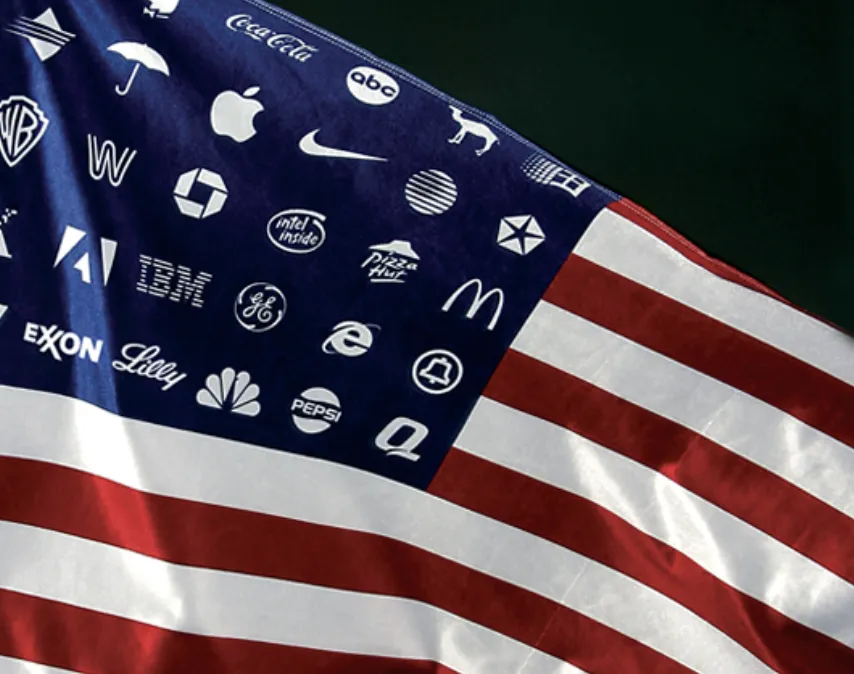
One essential component of governance in modern economies is the implementation of regulation onto large-scale corporations. Governmental agencies and regulatory commissions alike implement such sanctions to ensure corporations adhere to the moral principles defined by the natural rule of law in their business dealings. Regulatory sanctions during presiding Democratic administrations have done exceedingly well with respect to holding businesses accountable for their actions; fostering fair competition, safeguarding customers, and preserving the integrity of America’s free market, all of which happen to be fundamental goals of such antitrust legislative action. Establishing strict regulatory systems as a means of oversight is essential to mitigating (if not preventing) breaches of corporate entities like trust (upon their being exposed), and unfair tactics involving monopolistic conduct as corporations develop in size and influence. While regulatory systems differ around the world, they consistently aim to promote fair competition in addition to consumer protection domestically and abroad. Governmental agencies (and outside organizations) monitor this adherence to regulation typically outlined by civil regulatory commissions, and if such are broken, impose penalties onto corporations akin to legal action, limits on operations, or fines of restitution (often arbitrated). Large corporations wield a lot of market power by way of leveraging capital gains in furtherance of their unique competitive advantage. Operating with impunity at the expense of smaller companies sometimes facilitates an ability to do things like violate the law, overcharge consumers, or participate in anticompetitive activities. Regulation serves as a deterrent; thereby mitigating companies from engaging in such mannerisms and encouraging conformity to ethical requirements the rule of law demands. The announcement that blue chip corporation Amazon.com, Inc. is being sued by the Federal Trade Commission (FTC) and 17 state elected attorney generals for allegedly engaging in monopolistic tactics sheds light on major uphill legal battles the current administration has actively been litigating against in all realms of regulatory prosecution.
Conflicts involving the unconscionable leveraging tactics of large corporations via their breach of antitrust legislation when dismantling competition is what attributes to–if not facilitates–the ongoing disparity of unchallengeable market positions in a variety of sectors. In the context of economics, a monopoly is a predatory business model adapted from corporations by which its executive members organize and implement fixed policy to further stronghold significant influence over a product and/or service in particular markets, sectors, or industries. Amazon, a powerhouse in both the online retail sector and technology industry, has increasingly grown its market share gradually over time. Issues prior to the pandemic regarding Amazon’s distortionary business tactics inclusive to unfair competition, consumer choice, worker’s rights, and deregulation (from rampant lobbying in Washington) have persistently arisen because of their ever-growing market presence. Amazon is being sued by the FTC and various state attorneys for allegedly deploying a number of interconnected techniques violating fair competition laws in reverence to antitrust legislation.
The complaint filed on behalf of the Federal Trade Commission alleges that Amazon is “big... because it engages in a course of exclusionary conduct that prevents current competitors from growing and new competitors from emerging” [1]. The recent filing of the complaint earlier this autumn conveys that government agencies have accumulated enough information implicating Amazon to be engaged in practices that intentionally impede competition, which are harmful not only to consumers but to small business owners as well. These techniques entail Amazon’s alleged coercion involving corporate malfeasance of; preempting competitors from selling on (or outside of) the platform’s marketplace to keep prices high as a means of price gouging, or even sustaining inhabitable work conditions inside of crucial distribution hubs. These hubs have been deemed uninhabitable for workers (especially amid the pandemic) and have been folded into the FTC’s complaint of Amazon’s monopoly from warehouses being ancillary to the outset of meeting demand for large-scale production. As an effort to preempt monopolistic activity, foster fair pricing, innovation, the protection of consumer rights, and ethically sound business models, antitrust laws were put into place. In furtherance of promoting an even larger competitive advantage via their marketplace presence and share; accusations made against Amazon coincide with staunch beliefs of many, that the multimedia technology conglomerate may be breaking these regulations by abusing its indisputable position to maintain an unfair advantage over rivals. Thus, undermining the foundational premise and ideas essential to our fiscal policy in what a democracy relies on when having a free-market trade exchange. According to Amazon’s Senior Vice President and Global Public Policy General Counsel, David Zapolsky, "The FTC’s case alleges that our practice of only highlighting competitively priced offers and our practice of matching low prices offered by other retailers somehow leads to higher prices. But that’s not how competition works” [2]. Amazon argues that the retail sector is vibrant and diverse, highlighting the advantages consumers gain from the variety of options available to them by way of their platform. Zapolsky goes on to state that “over 80% of retail product purchases still take place in brick-and-mortar facilities”, which is a significant statistic Amazon’s counsel uses to emphasize their physical retail outlets’ rising importance [3]. In doing so, Amazon is highlighting the need for a nuanced grasp of intricacies in the sector and is attempting to circumvent -through eccentric legal loopholes- any simplicity or generalization of the retail scene stipulated by the FTC.
Amazon seeks to communicate the relevance of conventional customer experiences with an emphasis on their contributions to such, candidly justifying their actions to be aimed at a larger retail ecosystem. Amazon’s General Counsel, Zapolsky also claims that the FTC’s complaint “grossly mischaracterizes the retail industry and the dynamic competition that consumers benefit from everyday... Consumers today still buy over 80% of all retail products in physical stores” [4]. By implying that their emphasis on competitive pricing and price matching somehow resulted in higher prices, the FTC has understandably disregarded their approach to competition. The FTC probe and complaint is refuted by Amazon whose immediate response rebukes such implications; stemming from the corporation’s rise to prominence in developing an atmosphere where prices are competitive and appealing to customers, as opposed to public opinion of Amazon utilizing a predatory business model showcasing products with competitive prices making competition obsolete on both ends of retail (for buyer and seller). This doubled down defense demonstrates Amazon’s will to continue their pursuit of providing end users with competitive rates, which is a key component of their corporate strategy. In disputing the FTC’s interpretation of their business tactics, Amazon bolsters their defense that competitive offerings are a consumer-centric based strategy focused on fostering fair competition and giving customers the best value. Their ultimate goal is to make this strategy seemingly more transparent as a measure of reassuring commitment amongst the public, with respect to the government’s inquiry of them not encouraging a marketplace that’s profitable for all.
As it addresses the broader ramifications of monopolistic behavior in a digital age where a select few of powerful technology corporations wield tremendous influence, this action is quite significant. The verdict in this case may establish a standard for how regulators assess and handle antitrust issues in the fast-changing e-commerce and technology scene. Additionally, the legal verdict may also have an effect on the way powerful corporations behave themselves and will litigiously convey the necessity of regulatory intervention when guaranteeing an even playing field for all playing the market. The ongoing conflict between businesses and governmental agencies–particularly in the shifting context of shared economy retailers–is mirrored in the proliferation of legal disputes between Airbnb and major metropolises, like New York City and Chicago.
Specifically in the context of housing affordability, New York City’s historically low vacancy rate, illicit cohabitation (domestic), and the well-being of neighborhoods, Airbnb's fight against New York City’s strict housing guidelines brings to light the broader conversation of a proper balance between facilitating commercial operations and protecting public interests. The Federal Trade Commission (FTC), state attorneys, and other civil regulatory agencies responsible for oversight under the presiding administration (e.g. the Security Exchange Commissions aka SEC); are taking action against large-scale corporate behemoths as a whole, in a variety of probes and lawsuits currently underway. Amidst the government’s surge in regulatory probes and lawsuits as a preemptive measure of keeping large-scale companies on their toes, corporate entities engaging in monopolistic activities and anti-competitive practices are greatly discouraged-if not mitigated-from doing so. This litigation provides a distinct perspective on the complex interactions between big firms and the regulators working to protect fair competition and consumer welfare. Understanding these court cases helps clarify the intricate dynamics of regulatory sanctions in the modern corporate environment.
The persistent conflict between companies and regulatory policies is highlighted by the legal fight between Airbnb and New York City about limitations on short-term home rentals. The Short-Term Rental Registration Law, a municipal statute that requires hosts to register and abide by city standards, is being challenged by Airbnb in court on the grounds that its legislative enactment is an "extreme and oppressive regulatory scheme” [5]. This case serves as an example of a larger conflict between regulators trying to address issues like affordable housing, neighborhood livability, and corporations demanding operational flexibility within municipalities. The contention made by Airbnb that the regulations effectively outlaw short-term rentals in New York City is indicative of a general attitude amongst businesses that are subject to regulatory proceedings. Big corporations frequently contend that strict laws may make it more difficult for them to run their businesses, which will affect their market share and financial contributions. However, regulatory agencies and state legislatures of New York City place a strong emphasis on their mission to uphold public safety, maintain a par standard of preexisting housing, and promote livability in local communities. This contrast conveys how difficult it’s become to strike a balance between promoting corporate expansion and defending the interest of the general public.
When the housing affordability conflict is discussed in relation to rental pricing and the insignificant cost of living in New York City, it brings to question an important issue that frequently calls for government intervention. In order to maintain fair and equal outcomes, avoid market monopolization, and shield consumers from deceptive activities, authorities regularly step in (perhaps more so during democratic administrations). Because of the complex nature of the current regulatory framework posed by both changing business models and the current presiding powers that be; regulatory practices at the behest of government in the cases of Amazon, Airbnb, and Microsoft – companies we all depend on– aim to manage the delicate equilibrium of promoting economic opportunities for hosts and consumers, whilst maintaining functionality of America’s free market trade exchange for all. With a shared retail economy intersecting with housing concerns, price fixing, and unnecessary expansion at the expense of the public, such legislative probes (potentially seen as audits) ensure corporate practices are feasible.
Moving on from Airbnb to Microsoft, we find another instance of corporations dealing with regulatory barriers, demonstrating the dynamic business climate of relationships that exist between regulators and large corporations in the contemporary. Microsoft’s newly acquired video game publisher, Activision Blizzard, was set to be acquired by Microsoft for $75 billion; but the Federal Trade Commission (FTC) opposed the merger [6]. The FTC filed an appeal against a trial court judge's prior ruling, but Microsoft would still press further with the merger while the FTC's attempt would be denied by the Ninth Circuit Court of Appeals. In that decision, Federally appointed District Judge, Hon. Jacqueline Scott Corley ruled in favor of Microsoft, finding that the FTC had not proven the acquisition would jeopardize nor stifle competition in the console cloud-gaming market/sector. This particular legal battle highlights encounters tech giants like Microsoft face when navigating regulatory scrutiny in the context of significant acquisitions. The potential success of Microsoft's merger with Activision Blizzard will boost its video gaming sector tremendously (in addition to owning Xbox), which reflects Microsoft's efforts to overcome regulatory obstacles, thereby underscoring the broader issue of how large-scale corporations are increasingly regulated in their pursuit of mergers and acquisitions.
In essence, Corley's ruling rejected the FTC's objections to the merger. Her decision could have been impacted by the FTC's inability to provide adequate proof that the acquisition will lead to anticompetitive behavior, or have an adverse effect on our country’s marketplace, or perhaps it was simply from an absence of compelling evidence. Much of the law’s interpretation apropos to appellate (circuit) courts is left up to Republican appointees with lifetime positions, represented by 45th U.S President, Donald J Trump’s conservative transformation of the Federal Judiciary [7]. Microsoft President and Vice Chair, Brad Smith, made a statement generally stating that the July 11th ruling brought Microsoft “another step closer to the finish line in this marathon of global regulatory reviews," reflecting the company's perspective on the arduous process of obtaining regulatory approval for its acquisition of Activision Blizzard [8]. Smith's comment signifies Microsoft's commitment to see the merger through despite the various legal and regulatory obstacles/scrutiny the company has faced. It emphasizes the importance of successfully closing such a substantial deal, which is expected to have a major impact on Microsoft's position in the videogame industry. In a broader context, Smith's statement encompasses the difficulty of regulatory evaluations for major tech acquisitions, and the resilience needed by corporations when counteracting imposed regulatory probes invoking legal proceedings.
The idea of “uphill” legal battles where regulators have lost to big corporations shows the evolving, yet tentative dynamics of contemporary antitrust/regulatory enforcement. While regulators work to safeguard consumer interest and competition; big corporations are often equipped with substantial legal acumen needed to bolster their defense, while deterring governmental regulation, making it difficult for regulators to secure favorable outcomes in court. This stresses how innovation and market competitiveness must be carefully balanced with a need to avoid monopolistic conduct and maintain fair market procedures. These adversarial struggles are key signals of the shift between regulators and big corporations as the regulatory landscape acclimates to the rapidly changing settings of corporate America. Although regulation is often dependent upon the presiding administration’s preference of favoring big business or the general public’s interest; deregulation akin to Milton Friedman’s belief that “regulation strangles the sinews of innovation” typically prevails within Republican administrations and can persist throughout checks and balances of the DOJ’s judicial branch of government [9].
[1] Graham, “FTC Sues Amazon For Illegally Maintaining Monopoly Power”, 2023
[2] Zapolsky, “The FTC’s lawsuit against Amazon would lead to higher prices and slower deliveries for consumers-and hurt businesses”, 2023
[3] id
[4] id
[5] Thorbecke, “Airbnb sues New York City over its short-term rental restrictions”, 2023
[6] Needleman, Wolfe, “FTC loses latest bid to halt Microsoft-Activision merger”, 2023
[7] Rust, “How Trump Reset the Federal Judiciary”, 2020
[8] Needleman, Wolfe, “FTC loses latest bid to halt Microsoft-Activision merger”, 2023
[9] Goodman, Lapham, “The Cosmic Lie”, 2022
Works Cited
Baird-Remba, R. (2023, August 2). Nationwide apartment vacancy rate ticks up, as NYC’s declines. Commercial Observer. https://commercialobserver.com/2023/08/nationwide apartment-vacancy-rate-ticks-up-as-nycs-declines/
Goodman, P. S., & Lapham, L. H. (2022, April 4). The Cosmic Lie. Lapham’s Quarterly. https://www.laphamsquarterly.org/roundtable/cosmic-lie
Graham, V. (2023, September 26). FTC Sues Amazon For Illegally Maintaining Monopoly Power. Federal Trade Commission. https://www.ftc.gov/news-events/news/press releases/2023/09/ftc-sues-amazon-illegally-maintaining-monopoly-power
Needleman, S. E., & Wolfe, J. (2023, July 16). FTC Loses Latest Bid to Halt Microsoft Activision Merger. The Wall Street Journal. https://www.wsj.com/articles/ftc-loses-latest bid-to-halt-microsoft-activision-merger-19fe19ed
Rust, M. (2020, October 15). How Trump Reset the Federal Judiciary. The Wall Street Journal. https://www.wsj.com/articles/how-trump-reset-the-federal-judiciary-11602785250
Thorbecke, C. (2023, June 2). Airbnb sues New York City over its short-term rental restrictions | CNN business. CNN. https://www.cnn.com/2023/06/02/tech/airbnb-sues-nyc/index.html
Zapolsky, D. (2023, September 26). The FTC’s lawsuit against Amazon would lead to higher prices and slower deliveries for consumers-and hurt businesses. About Amazon. https://www.aboutamazon.com/news/company-news/amazon-ftc-antitrust-lawsuit-full response