UBeyond the Beat: The Fight for Fair Compensation for Black Musicians
Written by: Wardah Rahman | Fordham University
Edited by: Armando Javier Gimenez
Abstract:
This essay explores the ongoing struggle for fair compensation faced by Black musicians in the streaming era, highlighting the historical and systemic exploitation that has marginalized their contributions to the music industry. Despite the transformative impact of digital platforms like Spotify and Apple Music, which have revolutionized music consumption, Black artists continue to receive disproportionately low compensation, often reliant on fragmented revenue streams. The discussion delves into the inadequacies of current intellectual property laws, the implications of the Music Modernization Act, and the experiences of independent artists like Chance the Rapper, who advocate for ownership and economic justice. By examining the intersection of music, law, and racial equity, this essay underscores the urgent need for reform in the music industry to ensure that Black artists receive equitable recognition and compensation for their invaluable contributions to American culture.
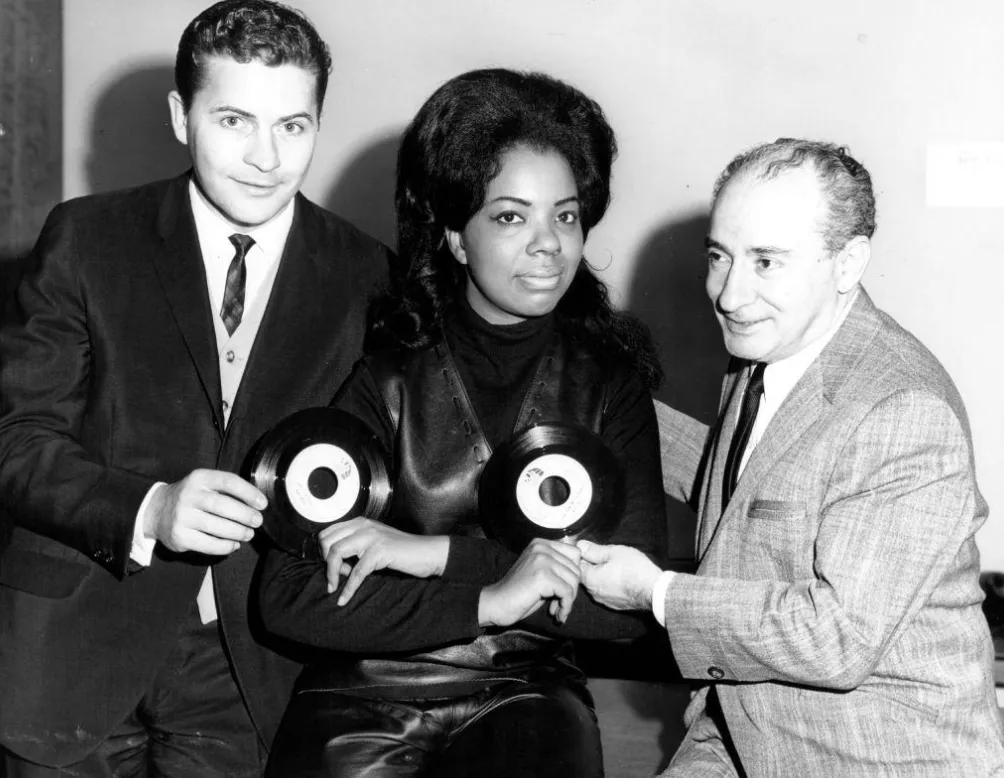
From the 19th-century blues to current-day hip-hop, black musicians have contributed to the American music culture tremendously for decades. Despite their invaluable commitments, they have historically faced economic exploitation by an industry that profits immensely from their artistry. In the digital era, music streaming platforms like Spotify, Apple Music, and YouTube have become the dominant mode of music consumption. However, these platforms worsen the same inequities, offering only fractional compensation to artists. This article explores how Black musicians continue to face challenges in securing fair compensation in the streaming era, primarily focusing on intellectual property law, streaming revenue distribution, and the impact of legislative efforts like the Music Modernization Act. The contributions of Black musicians to American music are profound and far-reaching.
The economic exploitation of Black musicians is not a new phenomenon. Historically, record labels have engaged in predatory practices, often stripping artists of ownership over their music and reaping the financial rewards. Black musicians like Robert Johnson, whose influence on blues and rock is indisputable, died penniless, receiving little to no royalties from his recordings [1]. This pattern continues in the modern era, as shown in lawsuits like (Four Tet)Kieran Hebden's case against Domino Records, where he sought fair streaming royalties under terms originally negotiated for physical album sales [2]. Hebden’s case challenges outdated royalty structures, drawing attention to systemic flaws that disproportionately harm Black musicians by locking them into exploitative contracts that fail to account for digital distribution [3]. Record contracts were designed to benefit labels at the expense of the artist, a system that persistently devalued Black contributions to the music industry. The experiences of Black musicians reflect a larger narrative of systemic racism in American society, which seeks to profit from their creativity while denying them financial equity. As Denisha Malcolm notes, Black artists have historically been "erased from the economic benefits of their work," while their cultural output "enriches white-controlled industries" [4]. This pattern is alive and well in the digital age, where streaming platforms act as modern gatekeepers, perpetuating the very structures of oppression that have historically marginalized Black voices. Despite the reach of streaming platforms, Black musicians are not seeing the financial benefits they deserve. In 2021, the U.S. Copyright Office reported that while Black artists contribute significantly to the industry's creative landscape, they face substantial barriers to economic sustainability, often relying on side jobs or alternative revenue streams to support themselves [5]. This highlights an ongoing struggle against a system that continuously undermines their financial stability and artistic expression.
Streaming services have revolutionized the way people consume music, making it more accessible than ever. However, the model by which these services compensate artists is deeply flawed. Platforms like Spotify operate on a pay-per-stream basis, where artists receive approximately $0.003 to $0.005 per stream [6]. This compensation model disproportionately affects Black musicians, who are overrepresented in genres like hip-hop and R&B but are underpaid for their contributions. A prime example is the case of Pharrell Williams. His hit song "Happy," one of the most streamed songs of 2014, earned him only $2,700 in songwriter royalties from 43 million plays on Pandora [7]. Pharrell’s discrepancy epitomizes the vast gap between a song’s popularity and the artist’s financial reward. The disparity is especially problematic for Black musicians, who, despite their cultural dominance in the industry, face systemic barriers to financial equity. This gap in compensation raises critical questions about the fairness of the streaming model and the legal frameworks that govern it.
At the heart of the compensation debate lies the question of intellectual property rights. Copyright law, intended to protect creators’ exclusive rights to their work, has failed to adapt to the complexities of digital music distribution. Historically, copyright law focused on physical media—records, cassettes, CDs—and was designed to prevent unauthorized copying. However, streaming operates on a licensing basis, where platforms negotiate deals with record labels, not individual artists [8]. This system leaves many Black musicians without the financial control or bargaining power to assert their rights. Jonathon Bailey, an intellectual property expert and author of Copyright Law and the Music Industry: Navigating the Digital Landscape, argues that these licensing agreements sideline musicians, particularly independent artists, leaving them vulnerable to exploitation. Bailey highlights that many artists lack both legal representation and a comprehensive understanding of their rights, exacerbating inequities [9]. The existing copyright laws do not sufficiently protect the interests of Black musicians, who often lack the legal representation and resources to navigate the complexities of intellectual property rights effectively. Many artists remain unaware of their rights under copyright law, further perpetuating the cycle of exploitation. The Music Modernization Act of 2018 (MMA) was intended to address some of these shortcomings. The Act introduced changes to the way songwriters and artists are compensated for digital performances, particularly focusing on improving royalty payouts. The Music Modernization Act of 2018 (MMA) was intended to address some of these shortcomings. Specifically, the MMA streamlined the process for obtaining mechanical licenses for streaming services, established a new system for royalty payments, and created the Mechanical Licensing Collective (MLC) to ensure songwriters received accurate payments. However, these reforms did not sufficiently address the systemic challenges Black musicians face. For example, while the MMA improved transparency in royalty allocation, it left intact the disparities rooted in unequal bargaining power between artists and labels, failing to empower independent musicians to negotiate better streaming terms [10]. The Act fails to fully account for the complexities of digital distribution and does not sufficiently empower independent Black artists, many of whom lack the financial resources to navigate its legal intricacies.
The under-compensation of Black musicians in the streaming era is not just an economic issue; it is a deeply personal one. Each song, each lyric, carries the weight of history and struggle. Black musicians use their art to tell stories that resonate with the lived experiences of their communities, yet they are not compensated in accordance with the value they provide. This dynamic creates a sense of frustration and disillusionment, as artists like Musiq Soulchild articulate when discussing the emotional toll of inadequate compensation: "It's like you're giving everything you have to your art, but the system just doesn't care" [11]. Moreover, the financial marginalization of Black musicians mirrors broader systemic inequalities in American society. As Malcolm notes, the music industry reflects "the same racist economic systems that underpay Black workers across sectors" [12]. The cultural significance of Black music cannot be overstated, yet the financial structures in place continue to profit from Black labor without adequate remuneration. This economic injustice reverberates beyond the music industry, contributing to the broader wealth gap that exists between Black and White communities in the United States.
One of the most prominent voices advocating for artists' rights in the streaming era is Chance the Rapper, who has built his career as an independent artist. Chance has been vocal about the importance of owning intellectual property and controlling one’s music. In an era where many Black musicians are signed to exploitative contracts with labels, Chance’s approach serves as a blueprint for achieving creative and financial freedom. His album "Coloring Book," which won the Grammy for Best Rap Album, was released exclusively on Apple Music and streamed millions of times without the backing of a traditional record label. Yet, as Chance has pointed out, even artists with his level of success face financial challenges when relying on streaming revenue alone [13]. His advocacy for independent musicians is critical in addressing the inequities in the industry. Chance's model demonstrates that while it is possible to achieve success without a label, the systemic barriers remain formidable. For many Black artists, the choice to go independent often comes with significant risks, including reduced financial security and a lack of marketing support. Legal battles, such as Four Tet’s against Domino Records, highlight how independent artists are using the courts to demand fairer terms, setting precedents for others to follow [14]. However, without comprehensive reform, these victories remain isolated, leaving most artists to navigate an industry still skewed against them. While streaming platforms democratize access to listeners, they strip away the financial control artists need to sustain their careers. Intellectual property rights, particularly the ability to own and control one’s music, are crucial for ensuring Black musicians receive fair compensation.
The under-compensation of Black musicians in the streaming era is not just an economic issue; it is a cultural one as well. Black music has historically served as a form of resistance and empowerment, providing the soundtrack to civil rights movements, political activism, and cultural identity. When Black artists are denied fair compensation, it diminishes their ability to create freely, undermining the cultural power that music holds within the Black community. The fight for fair compensation is thus intertwined with broader struggles for racial and economic justice. As noted by Corynne D. C. J. Hester, “the fight for fair pay in the music industry is part of a larger battle against the systemic racism that affects every aspect of life for Black Americans” [15]. The cultural impact of music on the Black community cannot be overstated; it shapes identity, influences social movements, and serves as a platform for expression. When the artists who create this music are economically marginalized, the entire community suffers, losing the rich cultural narratives that music embodies. Furthermore, the ongoing financial marginalization of Black musicians can perpetuate cycles of poverty and limit opportunities for future generations. As Black artists continue to grapple with systemic barriers, the potential for economic uplift through their artistry is stifled. The industry must recognize that investing in Black artists is not just a matter of fairness; it is an investment in cultural diversity and the enrichment of the broader artistic landscape.
To address these inequities, legal and industry reforms are necessary. Copyright law must evolve to protect artists in the digital age, ensuring that musicians have greater control over their intellectual property and receive fair compensation for their work. Streaming platforms should adopt more transparent royalty distribution systems and set minimum pay-per-stream rates that reflect the true value of music. Advocacy groups like the Black Music Action Coalition (BMAC) are at the forefront of pushing for these changes, fighting for fair pay and equity in an industry that has long exploited Black labor. BMAC’s recent campaigns include lobbying for increased artist royalties on streaming platforms and partnering with lawmakers to propose amendments that ensure artists retain ownership of their masters. For example, BMAC actively supported the California FAIR Act (Free Artists from Industry Restrictions Act, AB 2926), introduced in 2022, which aimed to revise California’s “Seven-Year Rule.” This law historically allowed recording labels to keep artists in restrictive contracts for extended periods. The FAIR Act sought to provide artists, including musicians, with greater freedom and control over their careers by allowing them to terminate personal services contracts after seven years, aligning their rights with other California workers [16]. Their work demonstrates a commitment to both legislative reform and public awareness, providing a critical platform for artists to challenge exploitative practices. Fostering a culture of support for Black musicians is crucial. Providing resources for legal representation and education on intellectual property rights can equip musicians with the knowledge and tools they need to navigate the complexities of the industry effectively. By promoting awareness of these issues and advocating for systemic change, we can work toward a future where Black musicians are compensated fairly for their artistry.
As we move forward, it is crucial to amplify the voices of Black musicians, support their endeavors, and advocate for systemic change that addresses the historical injustices they face. Only then can we honor their contributions and ensure that they receive the respect, recognition, and compensation they deserve. The fight for fair compensation is not just a fight for individual artists; it is a fight for justice, equity, and the very soul of the music that has shaped American culture.
[1] Malcolm, Denisha. "Cultural Erasure and Economic Exploitation: Black Artists in the Music Industry."
[2] Paine, Andre. Four Tet Launches Legal Action against Domino over Streaming Royalties,
[3] Bailey, Jonathon. Copyright Law and the Music Industry: Navigating the Digital Landscape.
[4] id at 1
[5] U.S. Copyright Office. "Copyright and the Music Industry: An Overview."
[6] Billboard. "Spotify's Artist Payout Rate: How Much Do Artists Actually Make?"
[7] Rolling Stone. "Pharrell Williams: The Music Industry's Royalty Problem."
[8] id at 2
[9] id at 8
[10] id at 1
[11] Soulchild, Musiq. "The Artist's Burden: Musiq Soulchild Discusses the State of the Music Industry."
[12 id at 1
[13] id at 2
[14] id at 2
[15] Hester, Corynne D. C. J. The Sound of Resistance: Racial Justice in Music Today.
[16] “Issues | Music Artists Coalition.” Music Artists Coalition,
Works Cited
“Assemblymember Kalra’s AB 2926, Fair Act, Clears First Committee.” Assemblymember Kalra’s AB 2926, FAIR Act, Clears First Committee | Official Website - Assemblymember Ash Kalra Representing the 25th California Assembly District, 30 Mar. 2022, online at a25.asmdc.org/press-releases/20220330-assemblymember-kalras-ab-2926-fair-act-clears-first-committee (visited November 2024).
Bailey, Jonathon. Copyright Law and the Music Industry: Navigating the Digital Landscape. New York: Music Publishing Press, 2021.
Billboard. "Spotify's Artist Payout Rate: How Much Do Artists Actually Make?" online at https://www.billboard.com (visited November 2024).
Hester, Corynne D. C. J. The Sound of Resistance: Racial Justice in Music Today. Chicago: University of Chicago Press, 2022.
“Issues | Music Artists Coalition.” Music Artists Coalition, online at www.musicartistscoalition.com/issues (visited November 2024).
Malcolm, Denisha. "Cultural Erasure and Economic Exploitation: Black Artists in the Music Industry." Journal of African American Studies 24, no. 3 (2020): 517-540.
Paine, Andre. Four Tet Launches Legal Action against Domino over Streaming Royalties, Music Week, 2021, online at www.musicweek.com/labels/read/four-tet-launches-legal-action-against-domino-over-streaming-royalties/083882 (visited November 2024).
Rolling Stone. "Pharrell Williams: The Music Industry's Royalty Problem." online at https://www.rollingstone.com (visited November 2024).
Soulchild, Musiq. "The Artist's Burden: Musiq Soulchild Discusses the State of the Music Industry." Interview by Music Insider, 2024.d
U.S. Copyright Office. "Copyright and the Music Industry: An Overview." Washington, DC: U.S. Government Printing Office, 2024.