Unrecognized, Not Unheard: A Reggaeton Duo’s Fight for Acknowledgement
Written by: Lana Muhagir
Edited by: Linda Robinson
Abstract:
As reggaeton’s popularity has surged from its Caribbean origins to a global phenomenon, legal battles have surfaced over the music’s core elements and their rightful ownership. This article explores the copyright infringement case Browne v. Donalds, filed by reggae producers, Cleveland "Clevie" Brown and Wycliffe "Steely" Johnson, against over 100 reggaeton artists for unauthorized use of their beats "Fish Market" and "Dem Bow.” Examining the complexities of distinguishing between transformative sampling and infringement, the article delves into how licensing requirements, financial constraints, and systemic inequities impact marginalized creators. The article considers the potential repercussions for reggaeton, including tighter copyright enforcement, evolving norms in sampling practices, and greater awareness of Black Caribbean contributions to the genre’s foundation. This case raises broader questions about cultural appropriation, fair compensation, and reshaping the creative landscape through legal action.
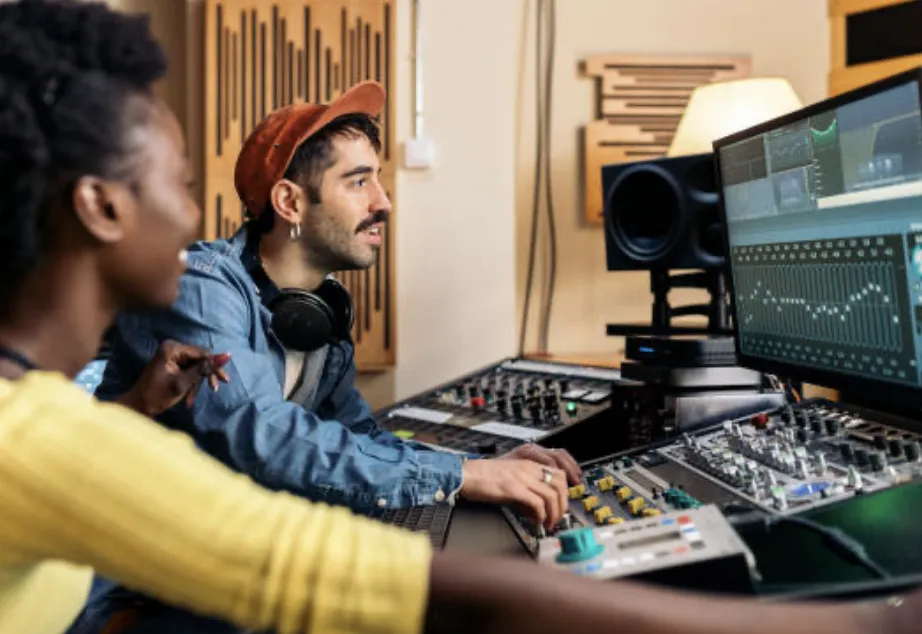
Reggaeton, a Caribbean musical genre, composes its sound using a variety of upbeat rhythms, intense drum beats, and typically Spanish vocals. The genre emerged from Dancehall, Latin music, Hip hop, and Reggae. This mixture provides listeners with that distinct sound that is unique to Raggeton.
On May 28th, 2023, Music producer Cleveland Constantine Brown, also known as “Clevie” and Wycliff Anthony Johnson, also known as “Steely,” filed a copyright infringement claim against a variety of popular music artists, titled Browne v. Donalds. This popular 80’s Reggae producer duo “Steely & Clevie” sued on the basis that many Reggaeton artists have been sampling and copying a drum beat called “Fish Market,” which the duo composed, as well as a beat called “Dem Bow,” which the producers co-wrote and is an authorized song remix of “Fish Market.” The duo claims that all other derivative works were utilized without their permission. This complaint addresses over 100 music artists and claims that these artists have utilized their beats and gained billions of streams and tremendous amounts of revenue. This has significant repercussions on Reggaeton, as the two beats are part of the composition of many popular songs.
There may be confusion about sampling music and outright copyright infringement. Music sampling is when an artist takes a particular portion of a sound or audio recording and then utilizes it in their work to create new music. Copyright infringement occurs when creative works are utilized without the proper permission from the creator [1]. To perform music sampling legally, artists who are interested in sampling a prerecorded work must acquire permission from the copyright owner of the song which could be an artist’s music publisher or record label [2]. Those without proper permission are considered liable for copyright infringement. In this case, the various Raggeton artists mentioned are alleged to have committed copyright infringement, regarding Steely & Clevie’s “Fish Market” & “DemBow” beats. Specifically, the duo claim that the defendants "never sought or obtained a license, authorization, or consent" to use their music in the artist's song [3]. Proper music licensing allows for individuals to utilize copyrights however they want in their music. The plaintiffs allege that this was not acquired, therefore the Reggaeton artists used their works illegally. This case focuses on whether the plaintiffs can make a sufficient claim for copyright infringement. While the court ruled that they had grounds to sue for direct copyright infringement, which is when someone directly copies protected elements of a copyrighted work without permission [4], the court dismissed the claims of vicarious and contributory infringement. Vicarious infringement is when a party benefits from the copyright infringement, and is also in charge of controlling said infringement from happening. “Vicarious infringement requires a plaintiff to show that a defendant ‘enjoys a direct financial benefit from another’s infringing activity and ‘has the right and ability to supervise’ the infringing activity” [5]. Contributory infringement is when a plaintiff demonstrates these elements, “knowledge of a third party’s infringing activity" and "induces, causes, or materially contributes to the infringing conduct” [6]. In regards to the direct copyright infringement claim, the plaintiffs still need further litigation to decide if the defendants were liable for this crime. Notably, the court denied most of the motions to dismiss the case from various artists who were involved in the case. Two big-name defendants, Empire Records and DJ Snake, motioned to dismiss the case [7]. They asserted that the wording of the charges brought against them was too vague, so they did not know the allegations. This motion, along with others, was dismissed based on failure to state a claim.
As an ongoing case, there is still a lot to be determined about the producers' allegations of copyright infringement. One can point out that the continuation of the case despite several motions to dismiss adds validity to the claim that the court could rule in favor of Steely and Clevie. The duo would seek to benefit from this ruling because it provides substantial evidence that copyright has been breached, leading to the defendants facing fines and having to pay damages to the duo. A ruling in favor of Steely & Clevie would set a precedent for Reggaeton, as artists would likely face increased pressure to license beats instead of sampling them freely. This decision could reshape the genre because of its impact on the creative process and finances of Reggaeton. Artists may have a harder time negotiating agreements with the creators of the beats they sample; amateur artists who rely on sampling as a core part of their creative process could be constrained by licensing fees. Potentially discouraging creatives from using samples altogether. Music producers and artists utilize sampling to produce quality songs, so changes to the sampling process will have a far-reaching impact on the music industry, limiting artistic expression.
This case brings up broader concerns of appropriation and recognition, especially for Black artists who have historically contributed to Reggaeton’s foundational sounds but often go unrecognized. Reggaeton’s Caribbean influences trace back to Dancehall and Reggae, genres created by Black musicians who innovated the rhythms and beats that later became part of Reggaeton’s identity. They emerged as grassroots genres, giving voice to the struggles and resilience of marginalized, working-class communities. Reggae, born in Jamaica, and reggaeton, rooted in Puerto Rican communities, convey messages of justice, identity, and resistance [7]. However, their commercialization often threatens to silence the very communities that created them. The financial success of Reggaeton has not always benefited these original creators, who may be less likely to litigate when their works are used without acknowledgment due to limited financial resources. This raises a challenging question: how do we distinguish between unauthorized sampling that infringes on copyright and the kind of sampling that genuinely contributes to and enriches the creative process?
Steely & Clevie’s case could be seen as a stand for fair recognition for Black artists. Similar to cases such as Grand Upright Music, Ltd. v. Warner Bros. Records Inc., where a judge ruled in favor of protecting an artist’s sampled work by stating that the use of music without licensing is a direct violation of copyright law, emphasizing the need for proper credit and compensation [8]. These legal cases demonstrate how enforcing excessive copyright can uphold marginalized creators' financial and creative rights. Steely & Clevie were a producer group that was mainly active in the 70s and 80s, and although significant in the Reggaeton genre’s creation, they never amassed popularity to the extent of other artists in the genre. Modern artists like Bad Bunny, whose album Un Verano Sin Ti spent 13 consecutive weeks at No.1 on Billboard’s Hot 100 in 2022; later becoming the first Spanish-language album to ever be nominated for Album of The Year at the Grammys [9]. Bad Bunny is mentioned as a defendant in the case, so the fact that Steely & Clevie contributed to his success, but were not recognized speaks to the importance of copyright in the music industry. For the duo, and those like them, this lawsuit represents an attempt to have their voices heard.
The Brown v. Donalds case represents a significant moment in music copyright law, as its outcome could have rippling effects throughout this genre that is created and dominated by people of color. It could stifle creativity and restrict this creative space. A stricter interpretation of copyright laws could also restrict new artists and challenge the affordability of sampling for smaller creators. As these laws are being tested, the case highlights the complexities of sampling in modern music and raises questions about fair compensation and artistic recognition. Bringing attention to the contributions of underrepresented Black musicians in creating the beats essential to Reggaeton, Steely & Clevie could drive the industry to reconsider how credit and revenue are distributed in a genre that thrives on collaboration and shared sounds. This could extend to other music genres, in which artists could begin to pursue legal action for lack of representation in their prospective genres. A case that is focused on this upbeat Reggae duo, has opened up broader discussions around artistic ownership, fair use, and the need for a more equitable distribution of finances in the music industry.
[1] Ostrow, Marc. “Music Sampling Rights: What you need need to know”
[2] id at 1
[3] Cleveland Constantine Brown p/k/a Clevie v. Eric Alberto-Lopez, F. Supp. 3d, (C.D. Cal. May 28, 2024)
[3] Ellison v. Robertson, 357 F.3d 1072, 1076 (9th Cir. 2004).
[4] id at 3
[5] id at 3
[6] id at 3
[7] Bell, Rosie. “You love Raggeton, But Do You Know Where it Came From?”
[8] Cornin, Charles. “Grand Upright v.Warner”
[9] Herrara, Isabelia. “ How Bad Bunny became the biggest pop star of 2022.”
Works Cited
Bell, Rosie. 2019. “You Love Reggaeton, But Do You Know Where it Came From?” Shondaland.com, online at https://www.shondaland.com/live/a27892003/history-of-reggaeton/ (visited November 2024).
“Browne v. Donalds.” n.d. Loeb & Loeb LLP, online at https://www.loeb.com/en/insights/ publications/2024/06/browne-v-donalds (visited November 2024).
Cornin, Charles. n.d. “Grand Upright v. Warner.” GW Law Blogs, online at https://blogs.law.gwu.edu/mcir/case/grand-upright-v-warner/ (visited November 2024).
Dillon, Nancy. 2023. “Bad Bunny, Daddy Yankee Ask Judge to Spike Reggaetón Copyright Claim.” Rolling Stone, online at https://www.rollingstone.com/music/music-features/ bad-bunny-dembow-reggaeton-dancehall-copyright-lawsuit-1234859135/ (visited November 2024).
Garcia, Thania. 2024. “Reggaeton, 'Fish Market' Copyright Infringement Lawsuit Moves Forward.” Variety, online at https://variety.com/2024/music/news/reggaeton-copyright -infringement-fish-market-lawsuit-moves-forward-1236020269/ (visited November 2024).
Herrera, Isabelia. 2022. “How Bad Bunny became the biggest global pop star in 2022.” NPR, online at https://www.npr.org/2022/12/15/1134910331/how-bad-bunny-became-the- biggest-pop-star-2022 (visited November 2024).
Kidd, Duncan. 2022. “Music Sampling Rights: What You Need to Know.” Romano Law, online at https://www.romanolaw.com/music-sampling-rights-what-you-need-to-know/ (visited November 2024).