The Black Pre-Law Journal is a distinguished undergraduate law review journal committed to fostering discourse on law-related concepts and publishing undergraduate legal scholarship centered around critical matters within the Black community. The journal's objective is to offer students a platform for reasoned discussions addressing legal, economic, and social complexities that impact the most marginalized voices in society.
Find an archive of past articles here!
Please find articles from the current academic year below!
Written by: Rama Diallo
Edited by: Nuna Endale and Zoie Geronimi
Abstract:
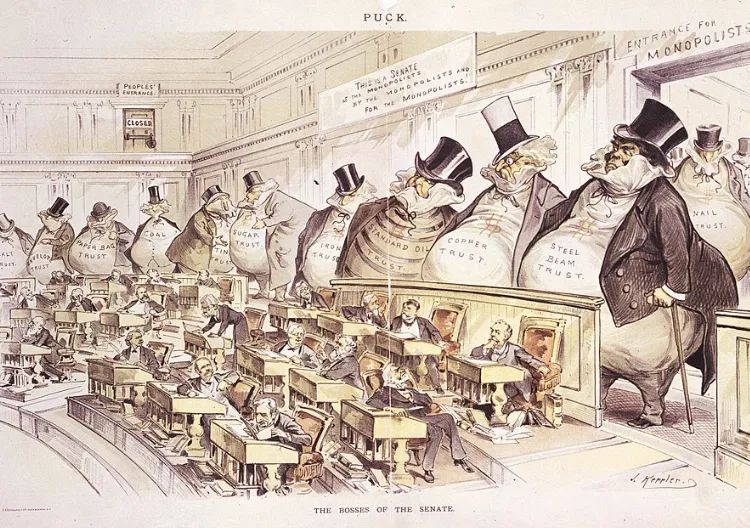
This article examines the decline of the Consumer Welfare Standard (CWS) as the dominant framework in American antitrust law, particularly in the context of digital platform monopolies. By focusing on the Federal Trade Commission’s 2023 complaint against Amazon and the rise of the New Brandeis movement, this article highlights how scholars and regulators are moving beyond a narrow focus on price effects toward a broader structural analysis of market power. However, the piece also argues that this…

Written by: Enya Kaonga
Edited by: Nuna Tereda Endale and Zoie Geronimi
Abstract:
As artificial intelligence (AI) technologies evolve rapidly, the federal government plays a crucial role in shaping their development through policy and regulation. This paper examines how executive orders have served as a primary mechanism for guiding AI governance in the United States, with a focus on the contrasting approaches of the Trump and Biden administrations. While both administrations recognize the importance of U.S. leadership in AI, Biden's 2023 Executive Order emphasized ethical…

Written by: Zoie Geronimi
Edited by: Monette Scipio and Chris Brown
Abstract:
This legal review critically examines the fair use doctrine in the digital era, with a particular focus on the shifting judicial interpretation of the transformative use test and the broader concept of transformation. Analyzing landmark cases such as Campbell v. Acuff-Rose Music and Andy Warhol Foundation for the Visual Arts v. Goldsmith, the review highlights how the test, once a cornerstone of fair use, has become increasingly ambiguous and inconsistently applied. The discussion reveals…
Written by: Sophia Marin Stoute
Edited by: Kaleb Sy and Kaleah Taylor
Abstract:
This article examines the case Kaur v. New York State Urban Development Corporation in the context of Ewick and Sibley’s triad notion of legal consciousness and Galanter’s “Why the "Haves" Come Out Ahead”. This article argues that Columbia University in Kaur operated as a “Repeat Player” in the legal system, benefiting from strong financial support and elite legal representation, and that Columbia University works “With the Law” to actualize plans that support private interests. Ultimately…
Written by: Kaleah Baylee Taylor
Edited By: Brett Fisher and Sophia Stoute
Abstract:
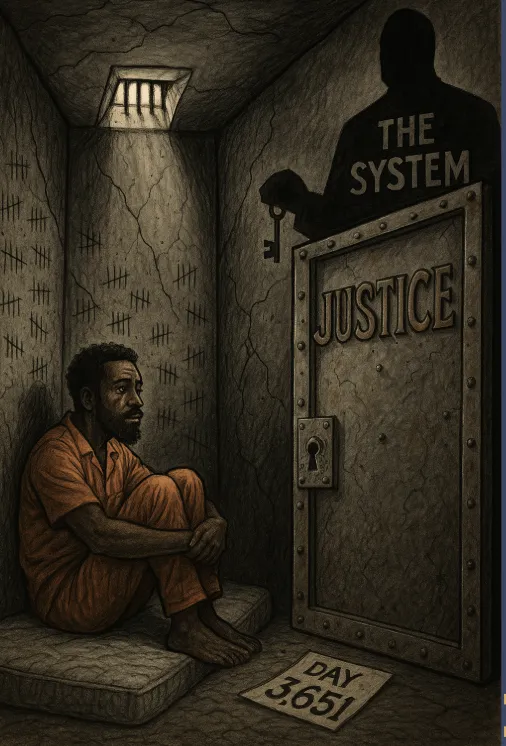
This paper examines the practice of solitary confinement and its societal acceptance as a prolonged and cruel punishment, focusing on the case Gay v. Baldwin (2020). The case involves Mr. Gay who, initially sentenced to seven years, had his term extended to nearly two life sentences due to infractions stemming from untreated mental health issues. After twenty years in solitary confinement, he filed a lawsuit against the Illinois Department of Corrections. The case highlights the harsh conditions…
Written by: Genesis Dacosta
Edited by: Aiyanna LeGrand and Sophia Stoute
Abstract:
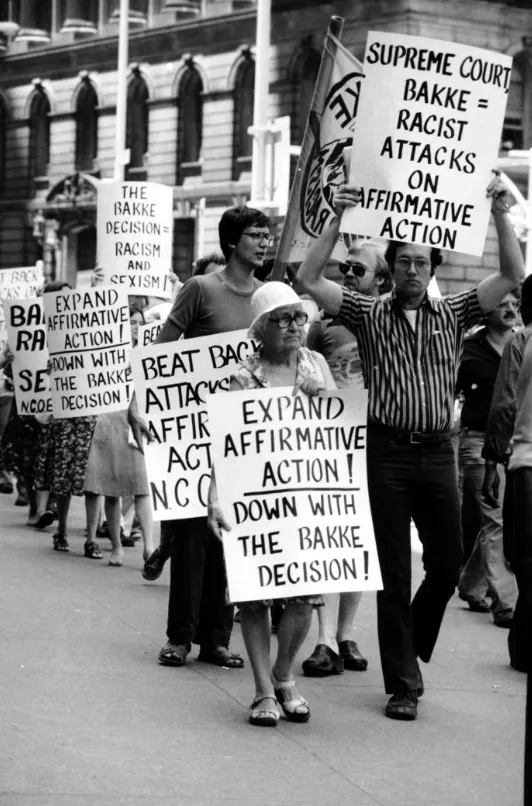
This article discusses the ongoing debate over affirmative action and how it has been shaped by the U.S. legal system. Race-conscious policies were originally designed to address the lasting effects of slavery, segregation, and discrimination, but the legality of these policies has always been called into question. By analyzing key Supreme Court cases like Bakke and Students for Fair Admissions v. Harvard, this paper explores how the idea of a “colorblind” Constitution has gained influence…

Written by: Keana Simon
Edited by: Emma Farley
Abstract:
This article explores how the historic case of Democratic Republic of Congo v. Republic of Rwanda before the African Court on Human and Peoples' Rights (AfCHPR) represents a larger trend in Africa toward regional legal accountability. The case stems from the DRC's claims that Rwanda has committed grave human rights violations under the African Charter by supporting the M23 rebel group. The DRC indicates a growing need for locally based responses to mass conflict by choosing an African institution over the International…
Written by: Chastity Blair
Edited by: Jameeiah Domercant and Emma Farley
Abstract:
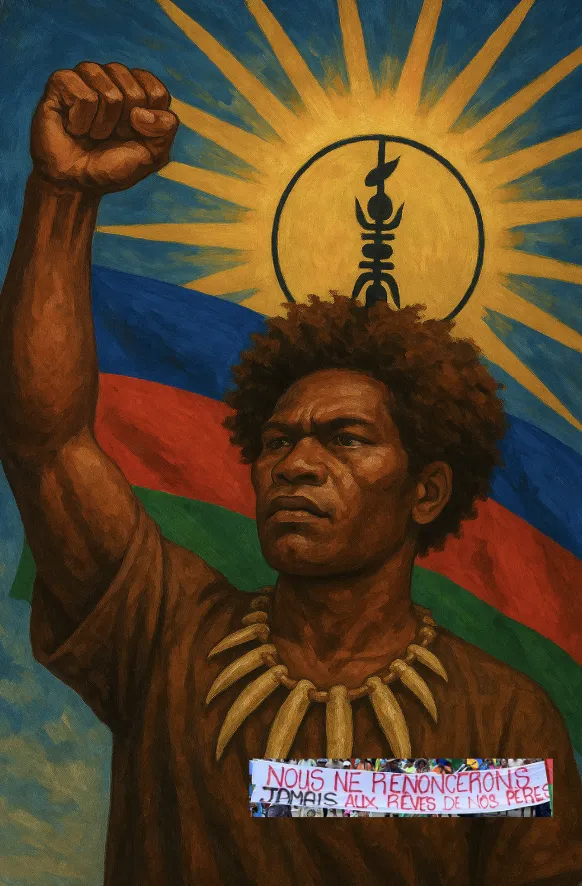
This article examines the historical and legal implications of France’s proposed 2024 constitutional bill to amend the electoral body of New Caledonia, a French overseas territory undergoing a contested decolonization process. The bill, which sought to unfreeze the restricted enfranchised population codified in the 1998 Nouméa Accord, would have substantially diluted the political agency of the indigenous Kanak population, who became a demographic minority due to historical settler immigration…
Written by: Jessica Nwosu
Edited by: Kianna Victor and Emma Farley
Abstract
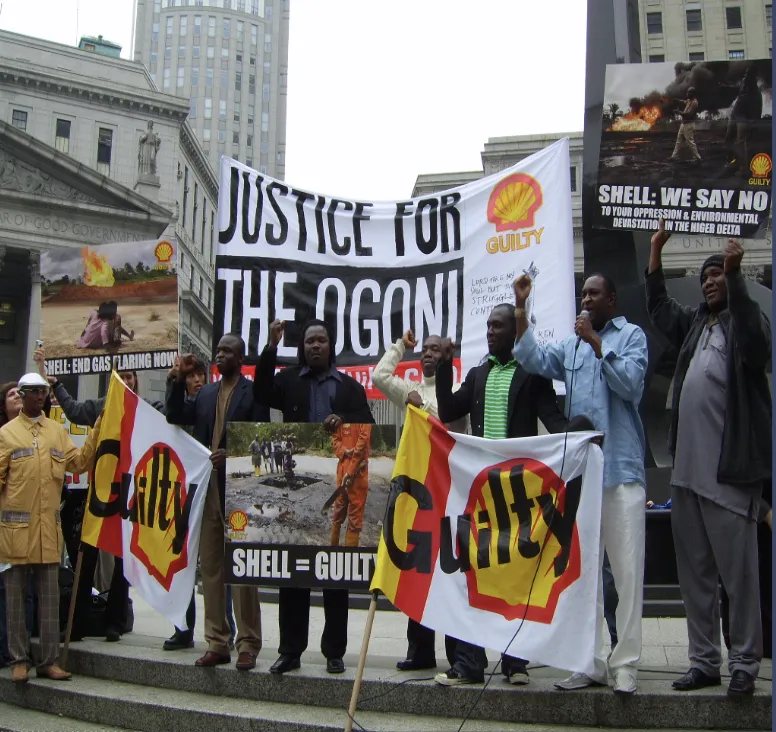
This article examines the legal and ethical implications of corporate complicity in authoritarian regimes, focusing on the landmark case Kiobel v. Royal Dutch Petroleum Co. (2013). It explores how Shell’s collaboration with Nigeria’s military dictatorship in the 1990s—marked by systemic repression and environmental degradation in the Ogoni region—prompted a legal challenge under the Alien Tort Statute (ATS). Tracing the evolution of Kiobel from lower courts to the U.S. Supreme Court, this article…

Written by: Sydney Goldson
Edited by: Helen Yibrah
Abstract
This article discusses an emerging realm of international climate law: geoengineering. “Geoengineering” refers broadly to the concept of large-scale human intervention in geological processes to reverse the effects of climate change, namely carbon dioxide removal and solar radiation manipulation. By its nature, geoengineering is an atmospheric intervention with global implications, and the benefits – or consequences – will transcend geopolitical borders. As a result, the question of even researching geoengineering…
Written by: Rafaela Drake
Edited by: Quadriyah Williams and Rolihlahla Nyirenda
Abstract
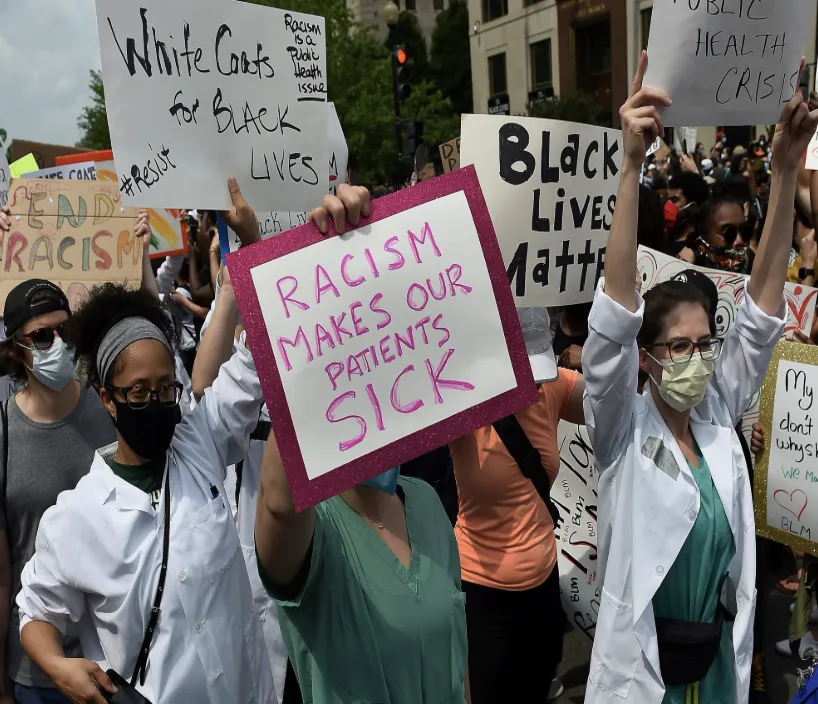
This paper examines the history of the Affordable Care Act and Medicaid Program in the development of the 2024 New York Health Equity Reform (NYHER) waiver amendment under Section 1115(a) of the Social Security Act. This amendment serves to reform the Medicaid program in New York State, focusing on addressing health disparities and health-related social needs (HRSN). This includes housing, security deposits, and more funding for case management services that facilitate improved access to…

Written by: Anya Christanto
Edited By: Chastity Blair and Sophia Stoute
Abstract:
This article explores how Brown v. Board of Education (1954) influenced Black
children's psychological development and educational performance over the past 70 years. Data
analysis and trends will be used to assess how this case has impacted Black students’
development, including self-esteem, academic achievement, and social integration. This paper
will also explore how the United States does not implement legislation or practices to attain and
sustain true racial equality. Instead, as this paper…