The Black Pre-Law Journal is a distinguished undergraduate law review journal committed to fostering discourse on law-related concepts and publishing undergraduate legal scholarship centered around critical matters within the Black community. The journal's objective is to offer students a platform for reasoned discussions addressing legal, economic, and social complexities that impact the most marginalized voices in society.
Find an archive of past articles here!
Please find articles from the current academic year below!
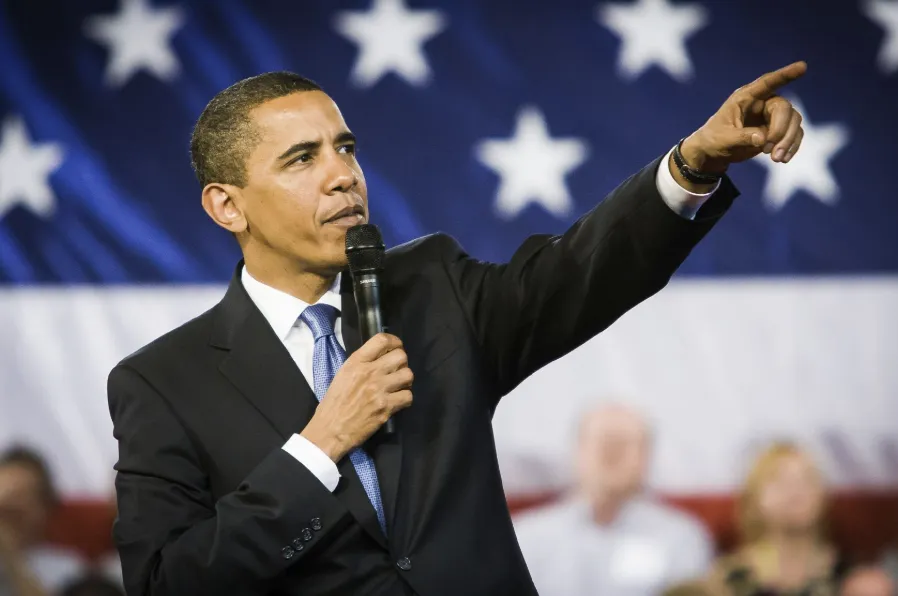
Written by: Teniola Adedire
Edited by: Solomon Akaeze
Abstract:
This article examines the persistent turnout gap between Black voters and other racial groups in the United States, focusing on the voter suppression tactics that have long impeded Black political participation. Rather than emphasizing socioeconomic factors that may impact voting behavior, this analysis will trace the historical evolution of voter suppression from the post-Reconstruction era to the present day and cite its impact. This paper also seeks to uncover why the 2008 election of Barack Obama and the "Obama…

Written by: Maryflelona Wagner
Edited by: Kimberly Abbas
Abstract:
In the modern world, artificial intelligence, also known as AI, is growing at an unprecedented rate. AI refers to computer programs that can independently reason and make decisions in the absence of human supervision. The powerful tool, often praised for its speed and efficiency, is poised to infiltrate many areas of the workforce and even automate many occupations. However, little is known about AI’s social ramifications. For example, although AI is often advertised to be politically neutral, it has…
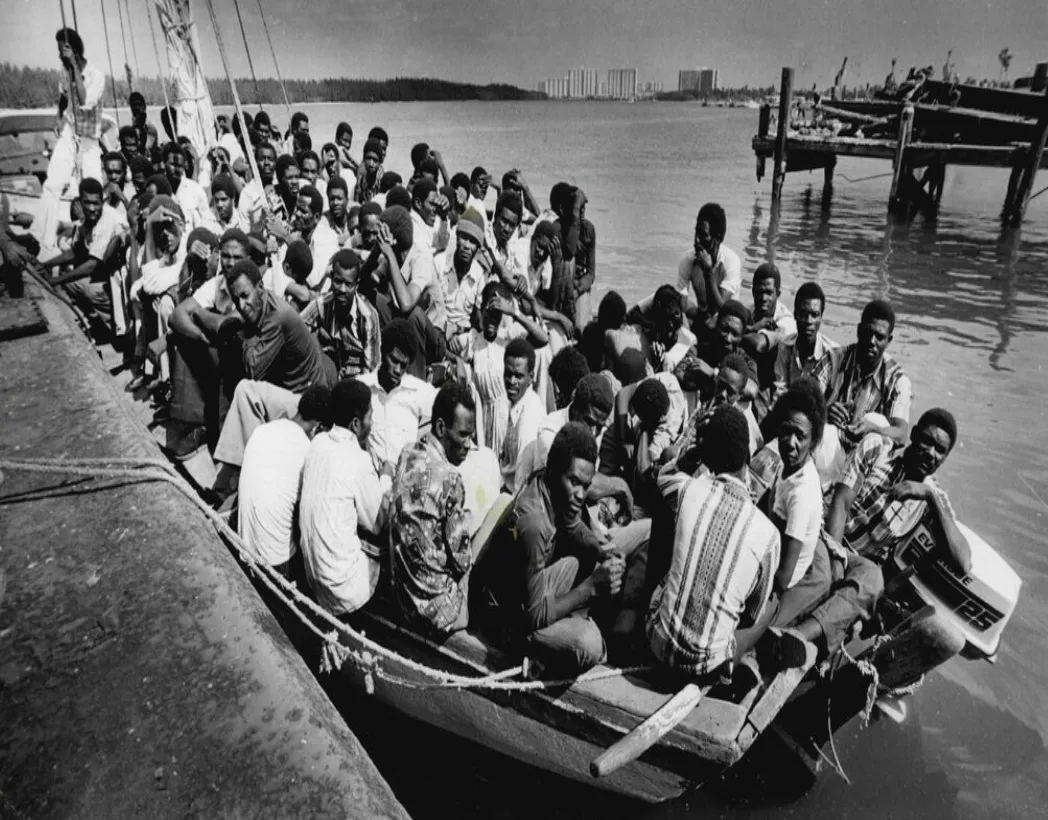
Written by: Kevin Hernandez
Edited by: Kianna Victor and Emma Farley
Abstract:
This paper reviews how the Immigration and Naturalization Service used fast, restrictive procedures on Haitian asylum seekers in Sannon v. United States and Haitian Refugee Center v. Civiletti. In Sannon, the agency relied on rushed interviews with no counsel and weak translation. Haitians received no notice and no fair chance to present asylum evidence. Immigration judges limited hearings to missing documents and refused to consider fear of persecution. These steps ignored the Immigration…
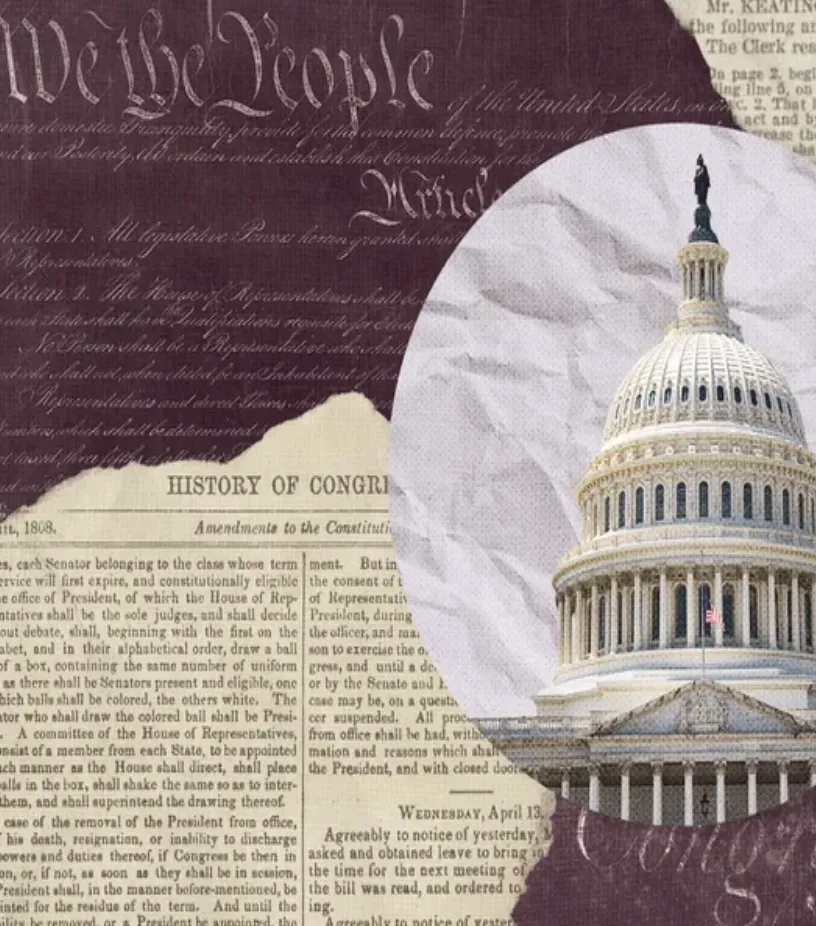
Written by: Maritriny Nova Abreu
Edited by: Teniola Adedire
Abstract:
This paper will explore the federal government’s inconsistent enforcement of the 13th and 14th Amendments from 1865 to the present, revealing how constitutional guarantees have failed to dismantle systems of racial subjugation. Rather than ending slavery and discrimination, weak enforcement allowed former Confederate states to exploit the 13th Amendment's exception clause through Black Codes and convict leasing, creating a direct lineage to modern mass incarceration and prison labor exploitation. Similarly, the failure…
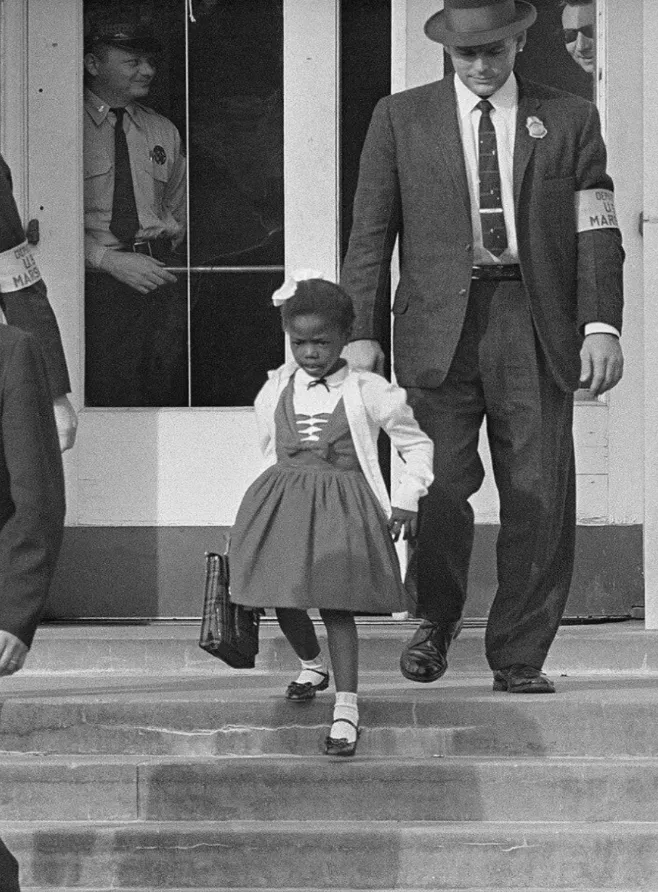
Written by: Olivia Sterling
Edited by: Teniola Adedire
Abstract:
This article evaluates the constitutionality of Executive Order 14190, “Ending Indoctrination in K-12 Schooling,” issued by President Trump earlier this year. It highlights the order’s inconsistencies and reliance on false claims, and examines the potential consequences for students in public schools. Ultimately, this article demonstrates that Trump enacted this order unconstitutionally, basing it on inaccurate information in ways that reinforce a system that disproportionately harms people of color. This paper argues…

Written by: Symphony Devine
Edited by: Sophia Jackson
Abstract
This article examines the negative psychological effects of specific behavior modification policies within New York City and New York State school systems, as well as their contribution to active prison pipelines. By initially outlining the transition from corporal punishment to the reliance on exclusionary discipline policies through amendments made to Education Law 3214 following the Supreme Court’s precedent in Goss v. Lopez, this article seeks to illustrate how these practices can disproportionately affect…
Written by: Kai Alexandria Franklin
Edited by: Rafaela Drake
Abstract
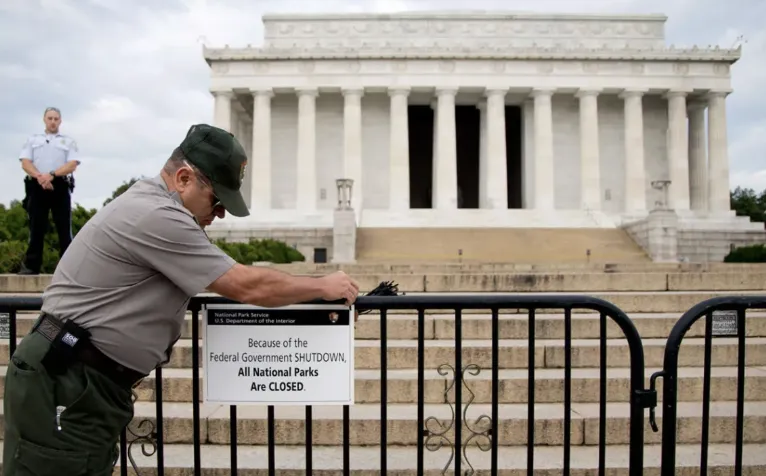
The October 2025 federal government shutdown has exposed the fragility of the United States’ environmental regulatory system. The government shutdown has halted critical enforcement, delayed environmental reviews, and weakened protections for already over-burdened communities. This article examines how shutdown-driven barriers, particularly within the Environmental Protection Agency (EPA) and Department of the Interior (DOI), create a de facto form of deregulation. This enables fossil-fuel expansion while delaying or suspending…

Written by: Brianna Wilson
Edited by: Sophia Blucker
Abstract
The new legal landscape of collegiate athletics transformed the estranged relationship between athletes, university athletic staffing, and governing institutions such as the National Collegiate Athletic Association (NCAA). The NCAA’s constitution championed amateurism regulations, forbidding payment to athletes for any means beyond education purposes, with the underlying message of collegiate athletics remaining purely recreational and distinct from professional athletics. Amateurism rules made athletes “cash cows”, allowing…
Written by: Kazon Barbee
Edited by: Sophia Stoute and Teniola Adedire
Abstract:
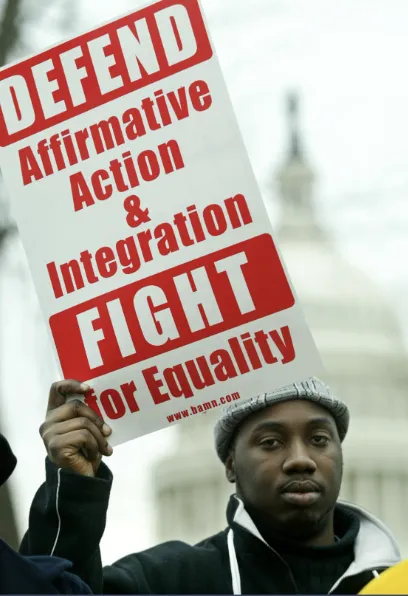
This article examines the development of affirmative action, its legal challenges, and its eventual reversal in the United States. It begins with President Lyndon B. Johnson’s 1965 Howard University speech and Executive Order 11246. The article reviews key Supreme Court cases, including Regents of the University of California v Bakke (1978) and Grutter v. Bollinger (2003), which tried to balance equality and fairness by allowing race to be one factor in college admissions. In 2023, the Supreme Court’s decision…
Written by: Aqsa Ahmed
Edited by: Brett Fisher and Emma Farley
Abstract:
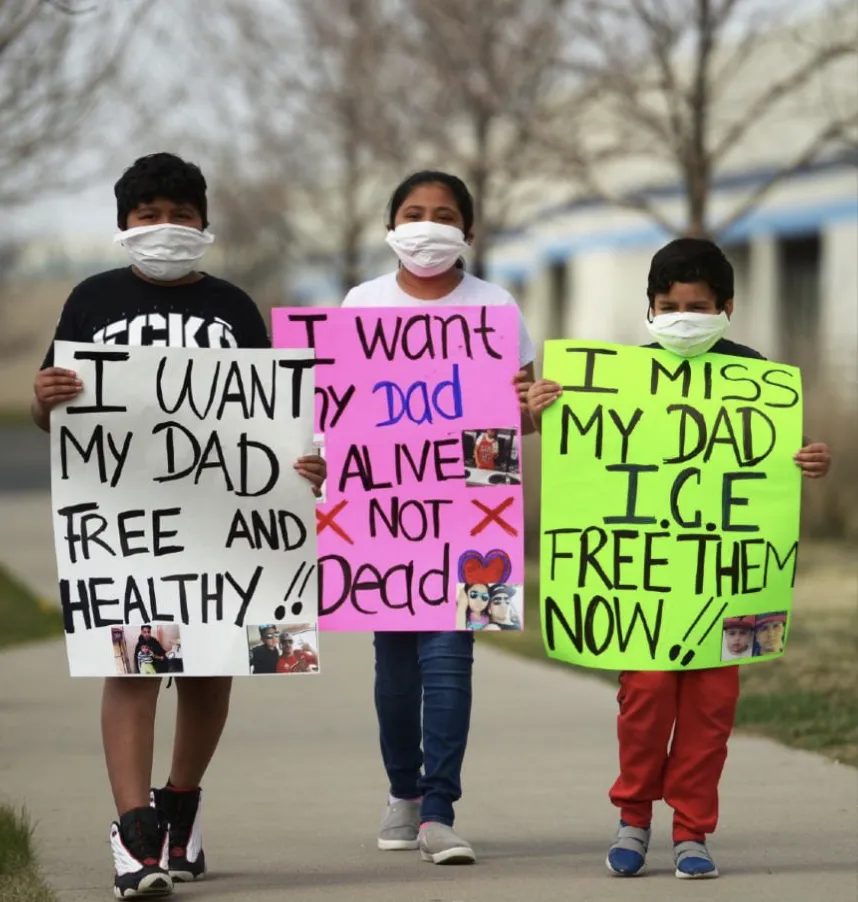
Every year, millions of people in the United States are being influenced by immigration enforcement, yet not everyone has the same experience. Black immigrants are more likely than other groups to be detained, spend more time in ICE custody, and be deported more frequently. These findings indicate profound racial discrepancies in the immigration system, raising serious civil rights issues. This article explores ICE incarceration by using a civil rights perspective, focusing on how racism affects…
Written by: Justin James
Edited by: Cindy Owusu and Chastity Blair
Abstract:
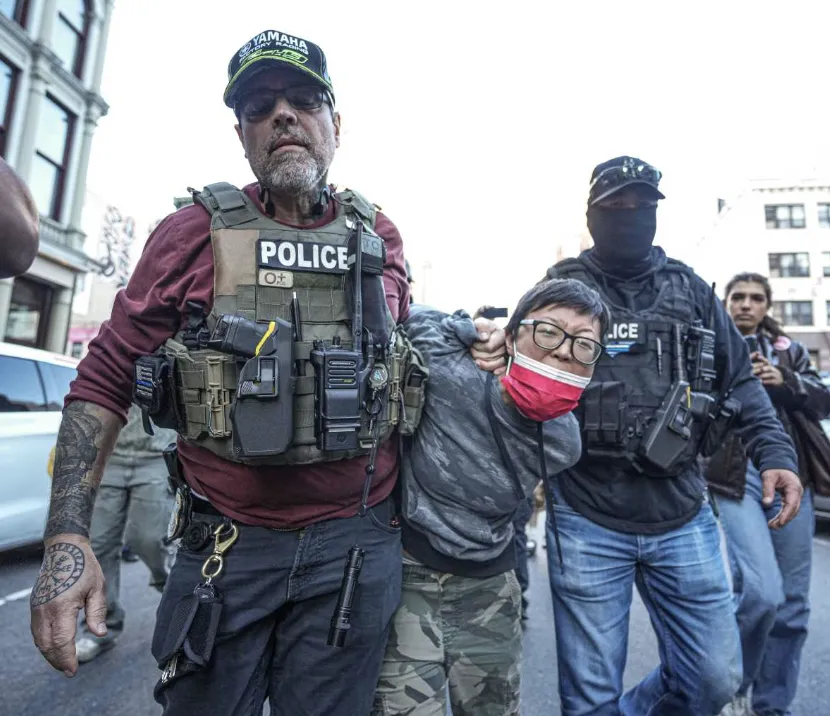
This article argues that immigration officers should not be authorized to make stops based on the race or ethnicity of the person they intend to stop. The Noem v. Vasques Perdomo case brings this issue to the Supreme Court and to the forefront of American attention. While the 9th Circuit prepares to hear and decide on the case, the Supreme Court granted a stay application to the Federal Government, meaning immigration officials will temporarily continue applying the contested immigration measure, despite…
Written by: Shawndel Gilchrist
Edited by: Chastity Blair
Abstract:
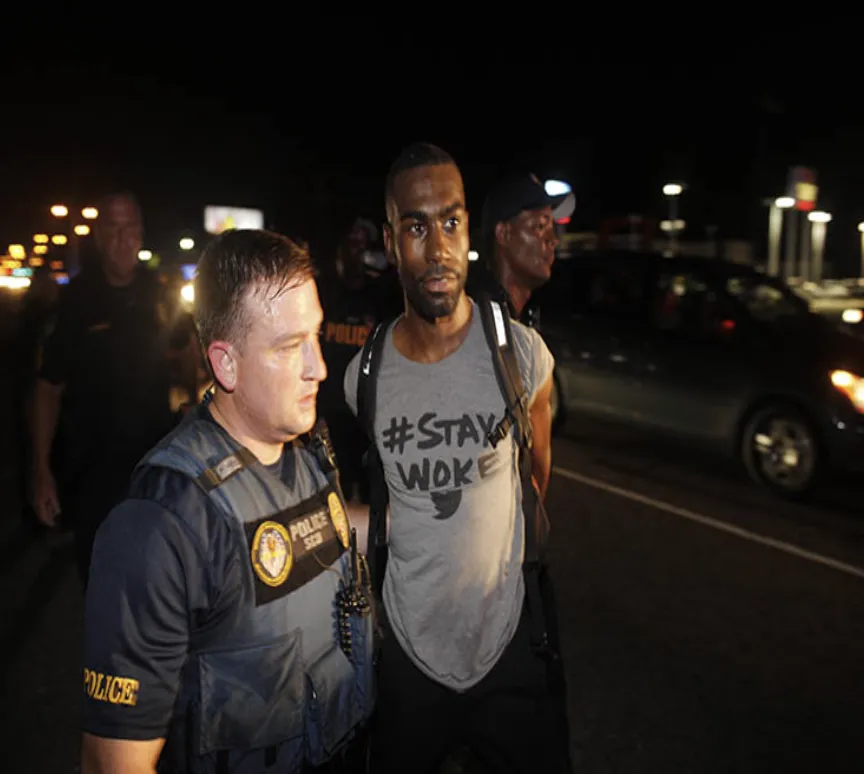
This paper examines how police brutality against Black Americans, combined with the lack of accountability for officers, reflects a deeper pattern of racial control embedded in U.S. legal doctrine. It analyzes how Supreme Court cases such as Tennessee v. Garner, Graham v. Connor, and Terry v. Ohio have expanded police discretion and weakened constitutional protections through broad interpretations of “reasonableness” and the shield of qualified immunity. Drawing on Michel Foucault’s idea of disciplinary power,…