The Black Pre-Law Journal is a distinguished undergraduate law review journal committed to fostering discourse on law-related concepts and publishing undergraduate legal scholarship centered around critical matters within the Black community. The journal's objective is to offer students a platform for reasoned discussions addressing legal, economic, and social complexities that impact the most marginalized voices in society.
Find an archive of past articles here!
Please find articles from the current academic year below!

Written by: Arianna Anderson
Edited by: Chastity Blair
Abstract:
The case United States v. Hemani examined whether the government violated Ali Hemani’s Second Amendment right by charging him with possessing a firearm while also in possession of marijuana under statute 922(g)(3). This piece explores how the practice of determining which rights can be revoked based on criminality has functioned historically and makes connections to how these practices remain relevant today. By presenting historical references such as the War on Drugs in conversation with drug criminalization cases, this…
Written by: Temitope O. Taiwo | Georgia State University
Edited by: Natasha Kalombo
Abstract:
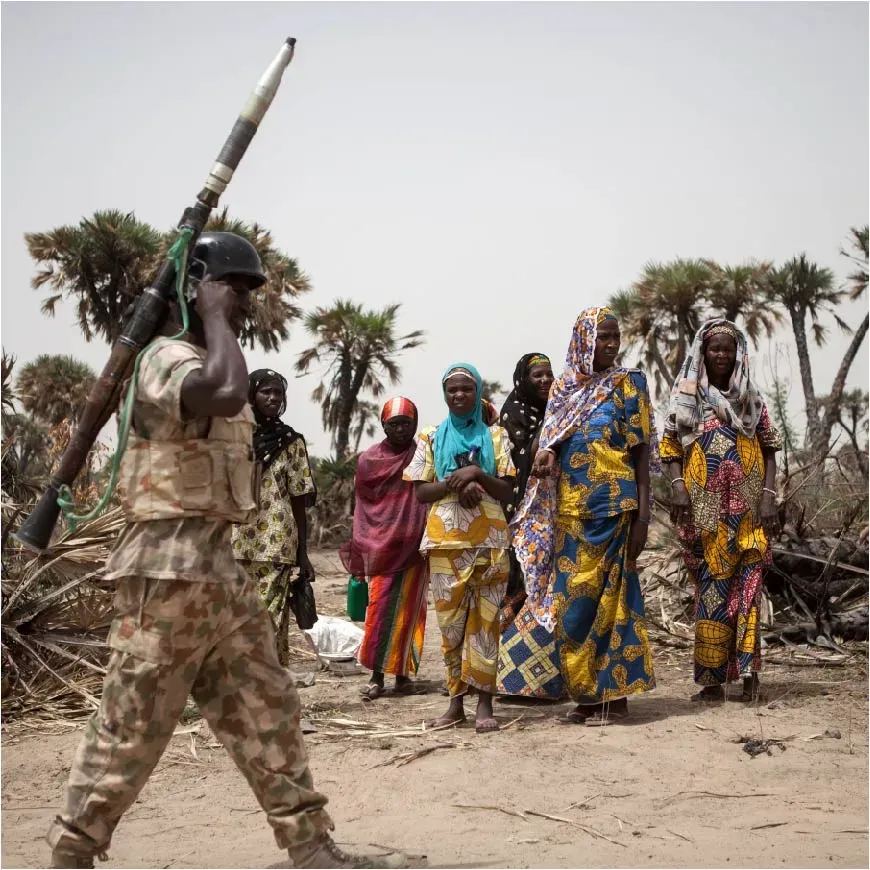
This article examines the legal and geopolitical contradictions underlying the United States government’s military intervention in Nigeria in late 2025, using the case as a lens through which to interrogate the structural weakness of international law. When President Donald J. Trump designated Nigeria a “Country of Particular Concern” under the International Religious Freedom Act and subsequently authorized missile strikes against ISIS-affiliated encampments in Sokoto State,…
Written by: Natasha Kalombo
Edited by: Jameeiah Domercant
Abstract:
This article examines a recent Fifth Circuit Court decision, Buenrostro-Mendez v. Bondi (2026), which removes the right to bond hearings for detainees in immigration court in the Fifth Circuit. The Fifth Circuit is a federal court of appeals that has the largest detention centers in the country, making this case particularly momentous. The majority opinion based its ruling on a statutory shift of the Immigration and Nationality Act, detaining plaintiffs Buenrostro-Mendez and Covarrubias under a statute…

Written by: Bless Adedeji
Edited by: Brett Fisher
Abstract:
As global demand for cobalt intensifies, the Democratic Republic of Congo (DRC) faces a critical mining crisis characterized by legal instability and systemic human rights abuses. This essay examines the DRC's recent shift from administrative penalties to criminal sanctions for illegal mining, analyzing the 2018 Mining Code and subsequent judicial actions. Through a comparative analysis of the 2025 Bukavu sentencing of Chinese nationals and the contradictory release of detainees in Walungu, the study explores how the reliance…
Written by: Jameeiah A. Domercant
Edited by: Emma Farley
Abstract:
Private military firms play an increasingly large role in both international and non-international conflicts globally, engaging in military endeavors ranging from training and supply chain support to active participation in armed combat. International humanitarian law, however, has failed to produce legal frameworks that sufficiently acknowledge the intensity of both private military firms’ role in conflict and the threat to civilians when firm behavior is not regulated by the same standards as the states they are…

Written by: Nina Gumbs
Edited by: Monette Scipio, Lana Muhagir, and Ayomide Ajakaiye
Abstract:
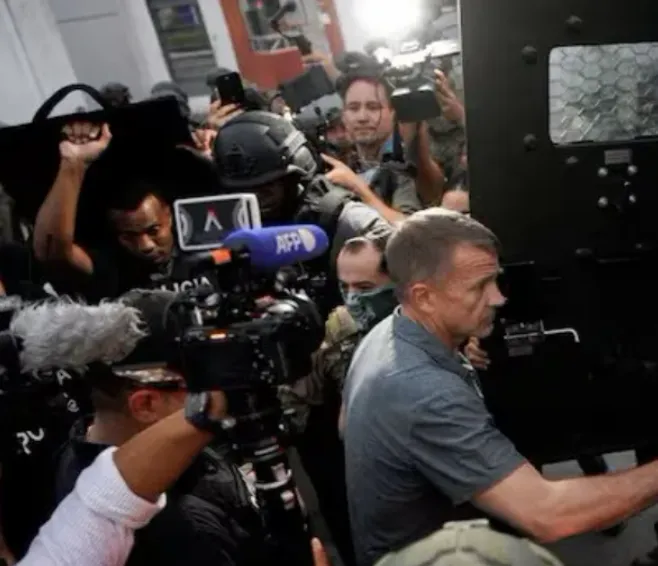
This piece examines how nondisclosure agreements, private settlements, and corporate structures function when a company is built around its founder’s identity. Using the litigation and federal indictment involving Sean Combs as a case study, this analysis shows that confidentiality agreements and LLC protections cannot prevent reputational or legal fallout when the founder’s personal conduct becomes public. NDAs are limited by public‑policy rules and cannot block criminal investigations…
Written by: Ayomide Ajakaiye
Edited by: Monette Scipio & Anneliese McDaniel
Abstract:
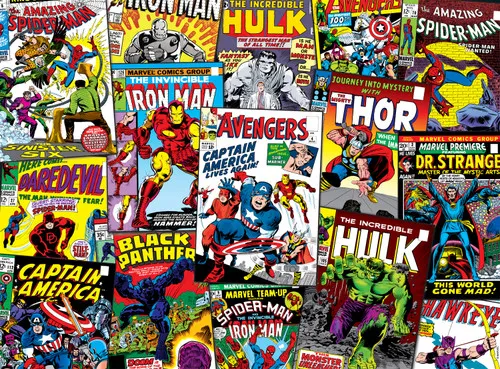
This paper seeks to explore Black intellectual property (IP) in comic books from a historical perspective, understanding why they have typically not become “sustainable.” Historically, for a comic book or publishing initiative to become “sustainable IP,” it has to have support from the comic book industry, the IP owner must retain their copyright and receive financial compensation, and the IP must have an enduring fanbase. Using several case studies that explore each of these three requirements…
Written by: Ekwueme Eleogu
Edited by: Quadriyah Williams
Abstract:
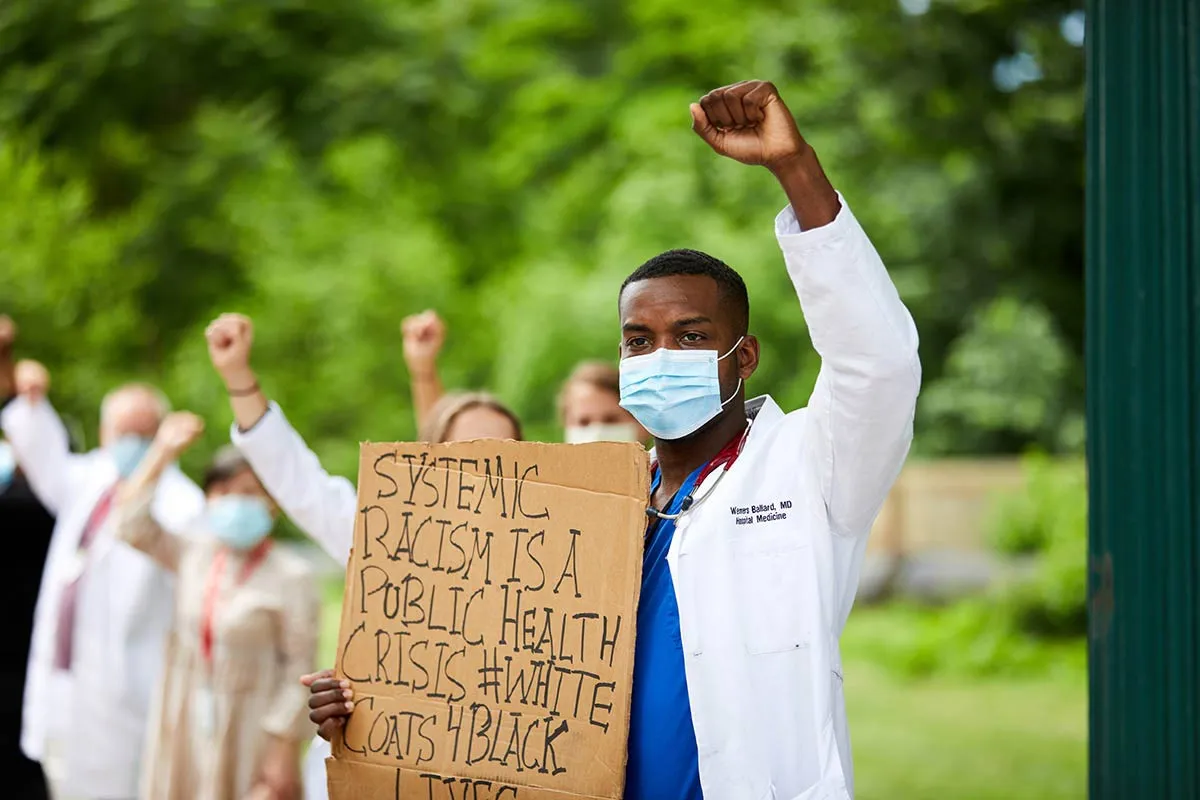
This paper examines the impact Public Law 119-21, commonly known as The One Big Beautiful Act (OBBA), will have on the U.S. healthcare system. The law serves as the legislative vehicle to implement steep tax cuts for America’s wealthy, while cutting funding for social service programs like Medicaid. The most direct impact of this law will be on the millions of Americans who will no longer be insured under Medicaid, but the focus of this paper will be on the impact on U.S centers that serve vulnerable populations.…
The Issue of Gay Marriage: What a threat to Obergefell v Hodges constitutes for Interracial Marriage
Written by: Solomon Akaeze
Edited by: Teniola Adedire
Abstract:
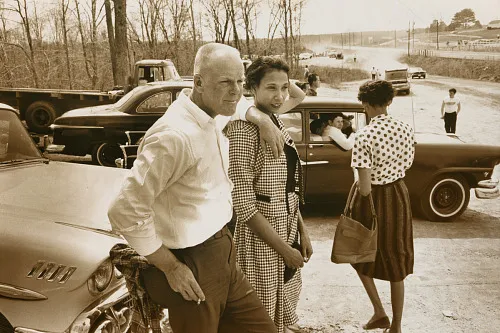
This article examines the constitutional and doctrinal interdependence between Obergefell v. Hodges (2015) and Loving v. Virginia (1967), arguing that a sustained legal threat to Obergefell could, under current Supreme Court jurisprudence, expose Loving to renewed vulnerability. Rather than treating these cases as categorically distinct—one involving sexual orientation and the other race—this argument articulates how both decisions rest on shared Fourteenth Amendment foundations: substantive due process,…
Written by: Genesis Dacosta
Edited by: Rafaela Drake
Abstract:
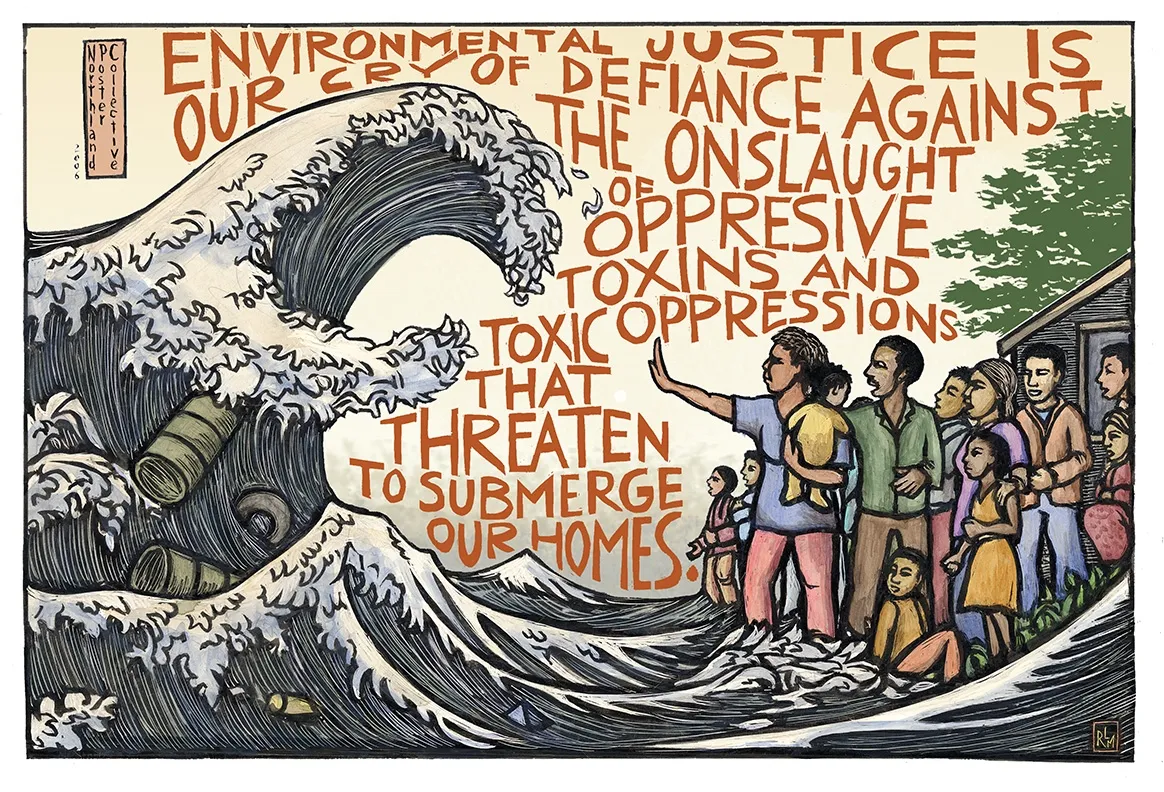
This article examines the roots of environmental racism. It explores early twentieth-century housing and zoning policies that confined Black communities to segregated, under-resourced neighborhoods. Through redlining maps created by banks and federal agencies, these neighborhoods were labeled “risky,” creating the conditions for decades of toxic facility placements, pollution, and serious health disparities. Using Chester Residents Concerned for Quality Living v. Seif and McCastle v. Rollins Environmental Services, the article…
Written by: Tyra Manning and John Michael Smith
Edited by: John Michael Smith
Abstract:
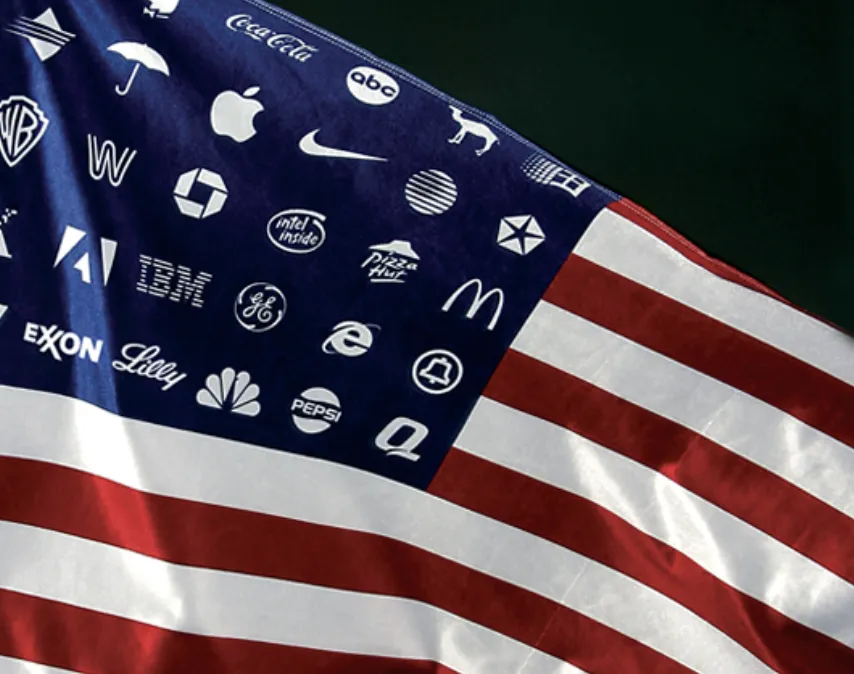
In modern economies, thorough regulation typically relies on governmental agencies and many other organizations to ensure corporate entities adhere to ethical principles defined by the natural rule of law. Democratic administrations have avidly used regulatory sanctions to hold corporations accountable, protect consumers, and maintain the integrity of our country’s free market. Big corporations often have substantial legal defenses, by which because of capital reserves,…
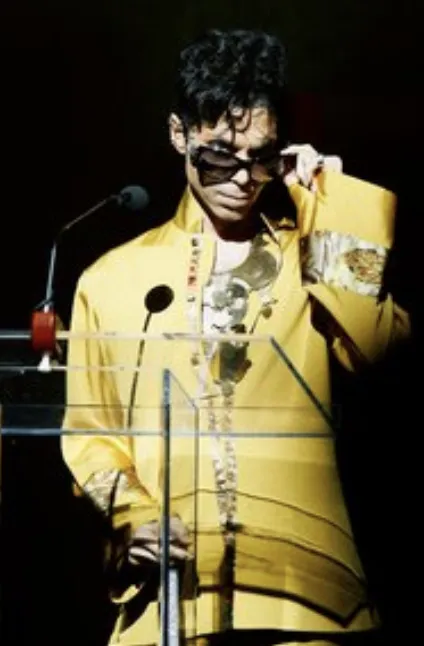
Written by: Heba El Mouhssine
Edited by: Lana Muhagir
Abstract:
This article explores the legal and artistic struggles of Prince Rogers Nelson, also commonly known as “Prince,” focusing on his fight for ownership of his music and control over his artistic production, under strict contracts with Warner Bros. It highlights how even highly successful Black artists can be thoroughly marginalized within the music industry, due to contract practices denying them control and autonomy over their pieces. Furthermore, it examines Prince’s radical and heartfelt response, including his symbolic name…